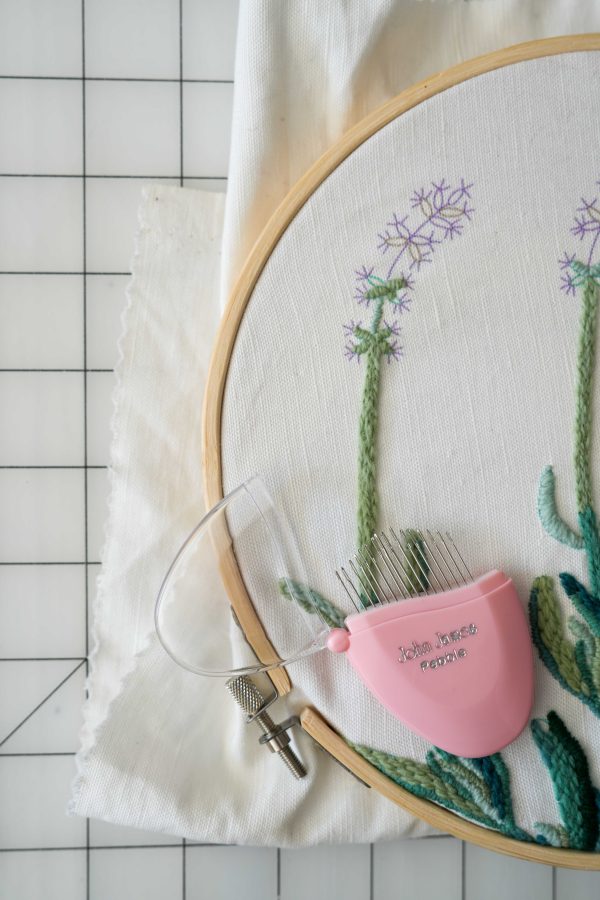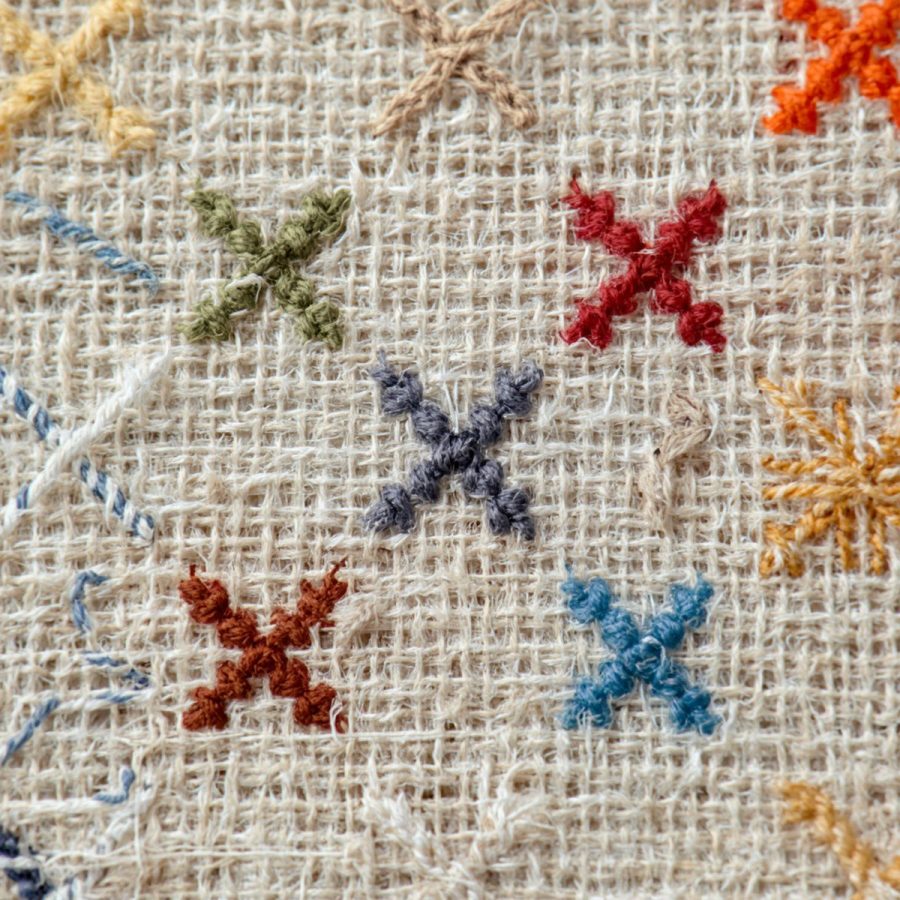
Couching Stitch: Add Texture and Dimension with Decorative Thread

As spring projects become more creative and expressive, it’s the perfect time to introduce a stitch that goes beyond basic threadwork.

The couching stitch allows you to work with thicker threads, yarns, and even ribbons by securing them to the fabric surface with small stitches. The result? Bold texture, striking lines, and endless creative possibilities.

If you’re looking to add dimension and personality to your stitching, couching is a technique worth exploring.


What Is a Couching Stitch?

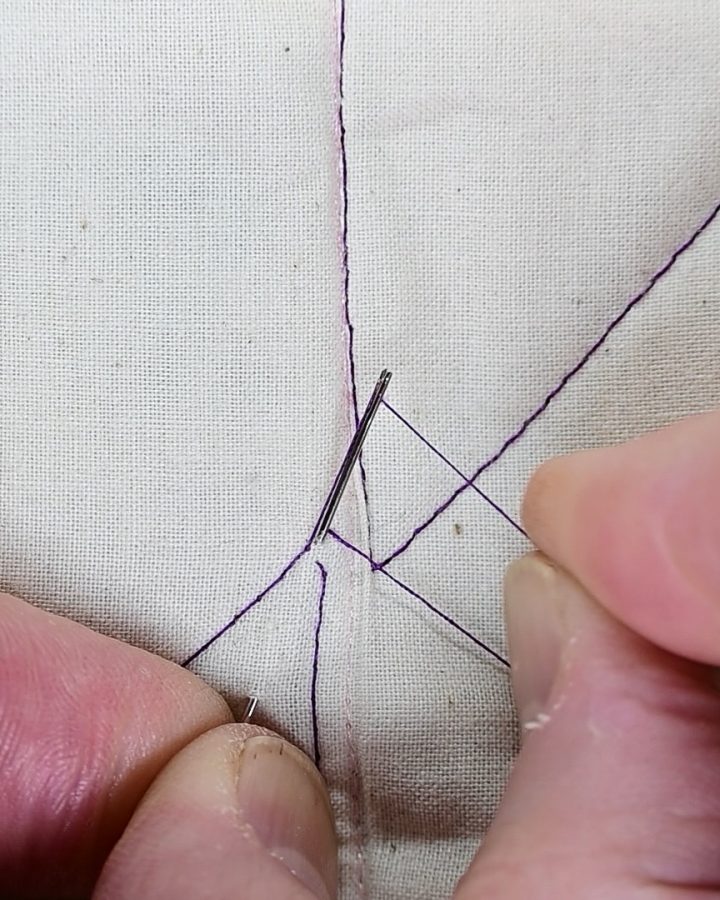
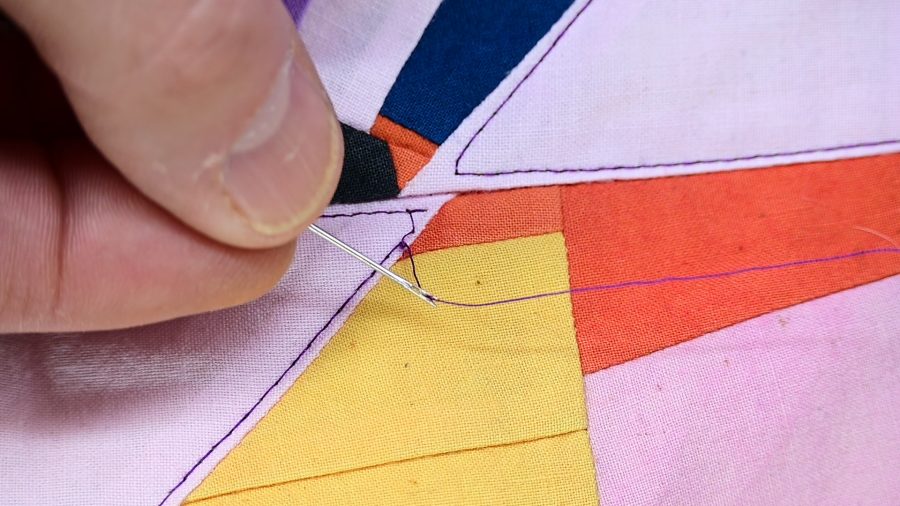
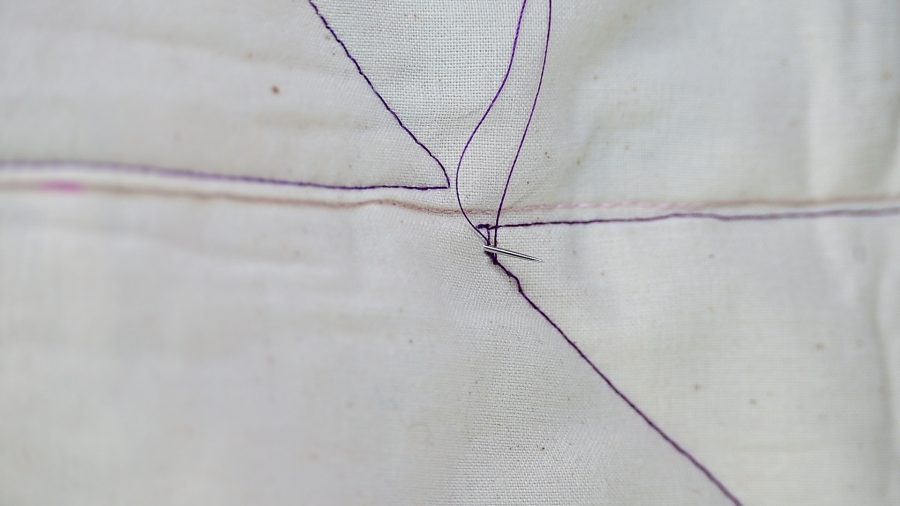
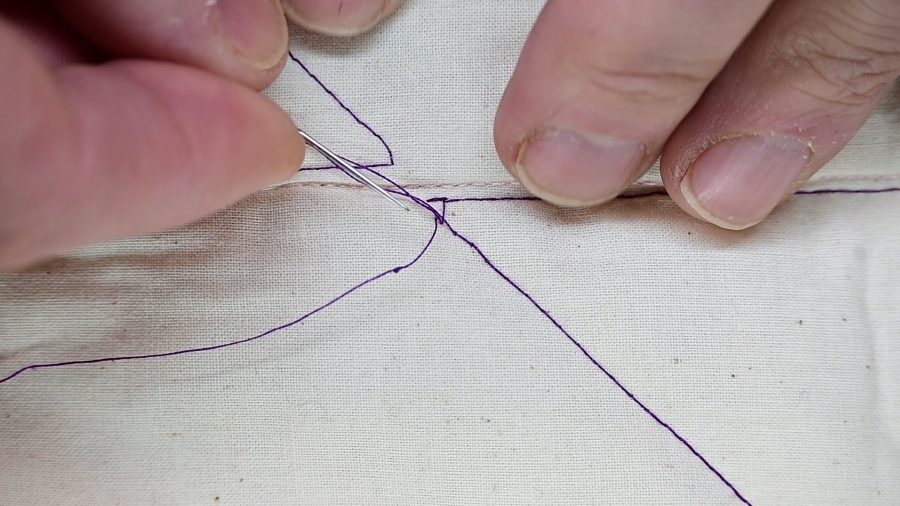
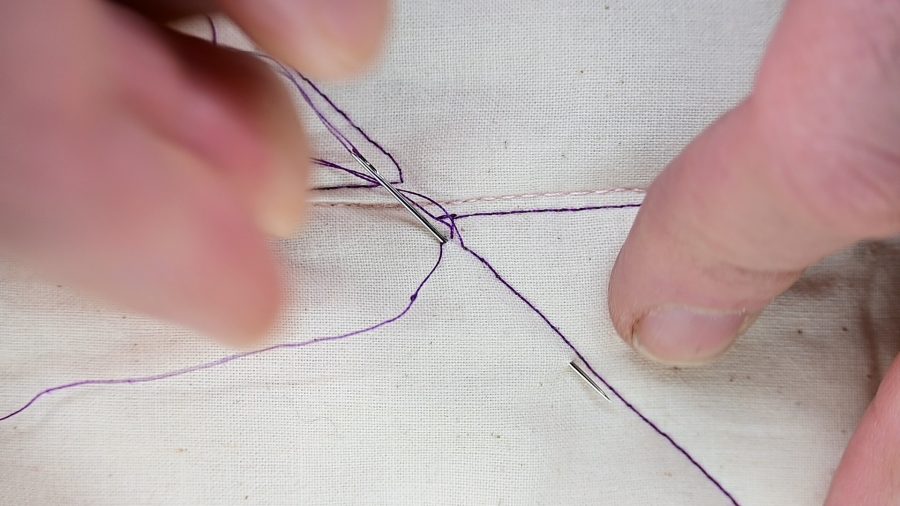
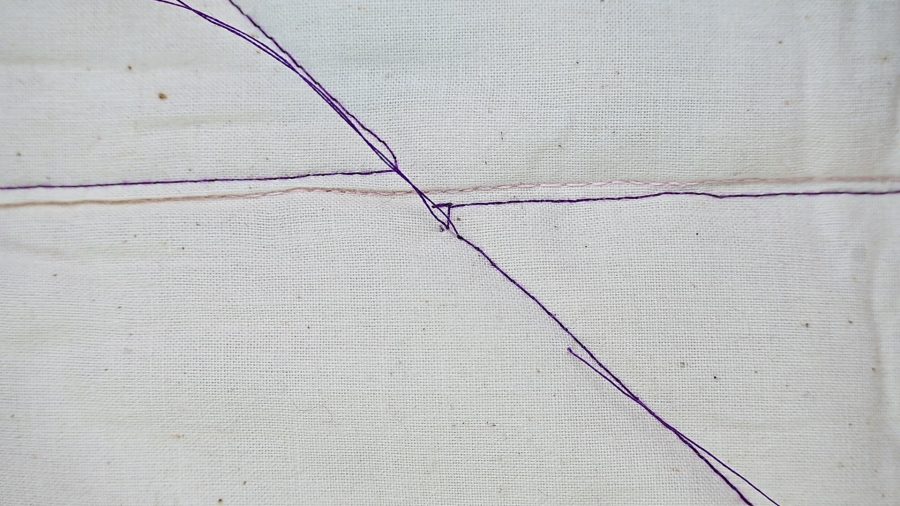
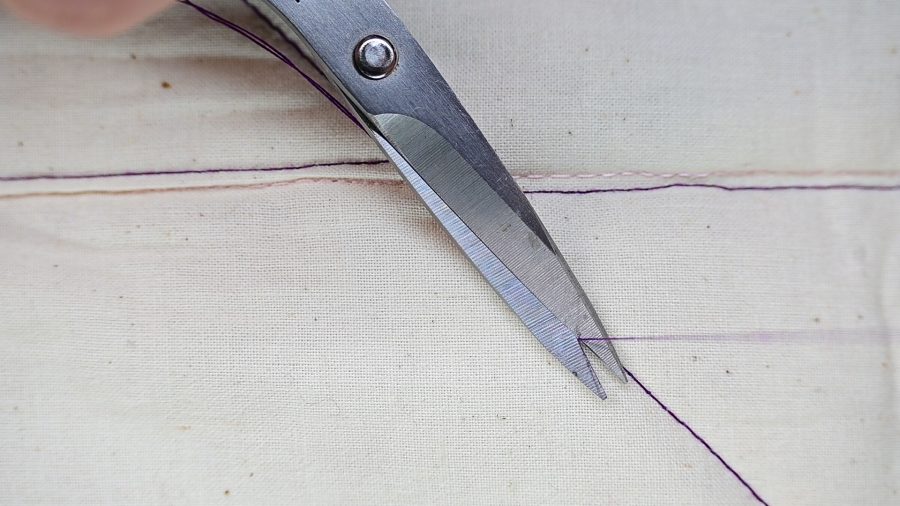
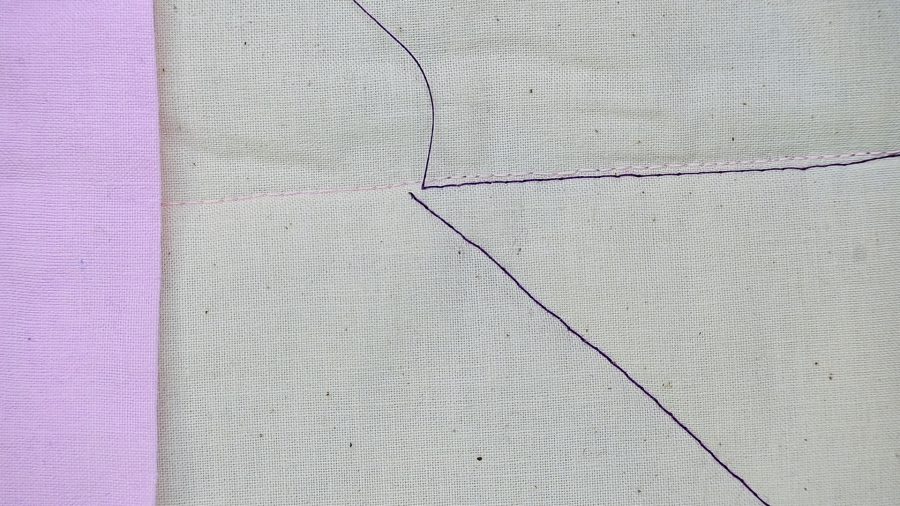
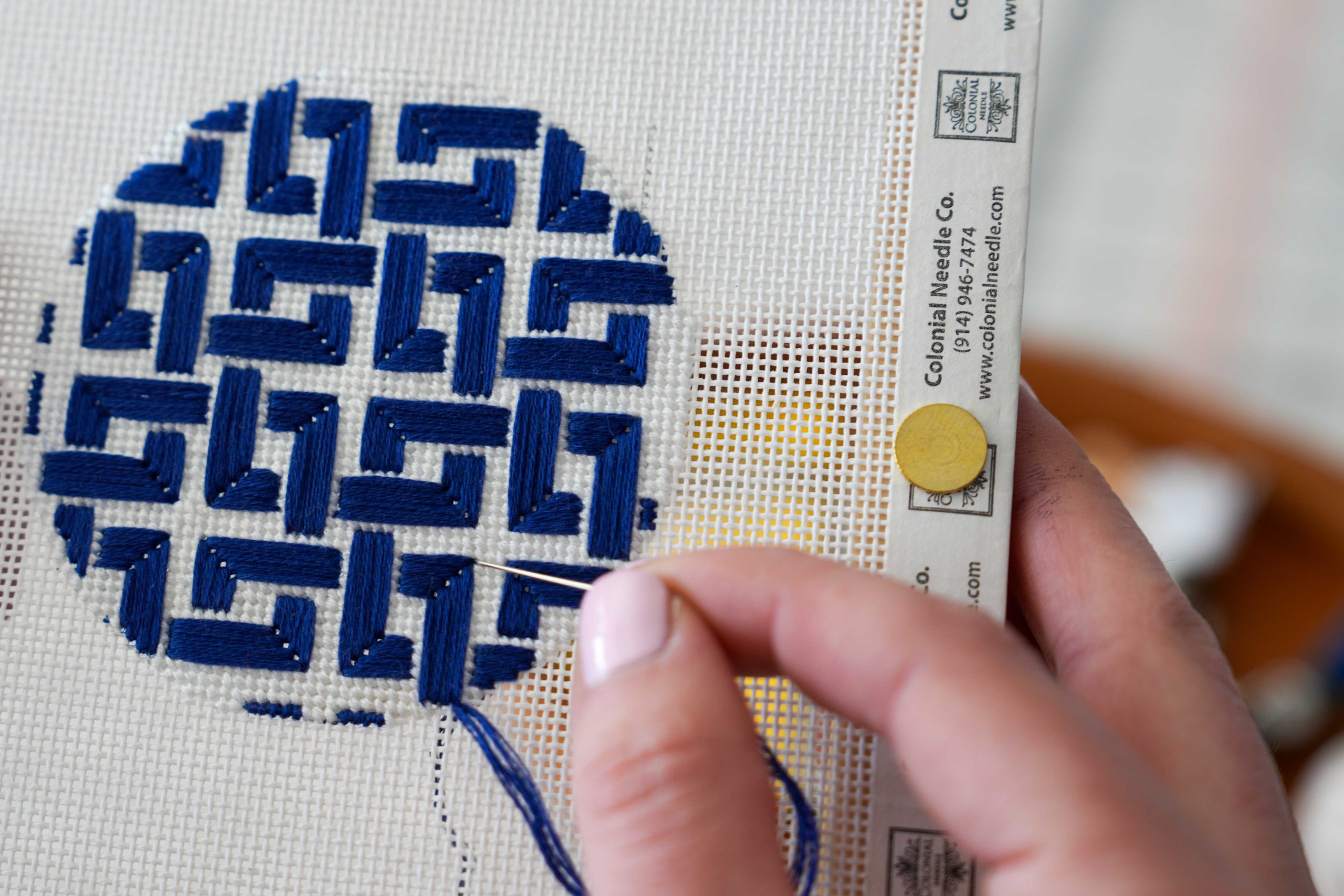
The couching stitch is a technique where a thicker thread (or material) is laid on top of the fabric and secured in place with smaller stitches using a separate thread.

Instead of passing the main thread through the fabric, it “rests” on the surface — while the smaller stitches anchor it down.

This makes couching ideal for materials that are too thick, delicate, or decorative to stitch through the fabric directly.

When & How It’s Used

Couching is incredibly versatile and works well in both traditional and modern stitching.

It’s best for:

  • Decorative outlines and bold lines
  • Working with thick threads, yarn, or ribbon
  • Adding texture to embroidery designs
  • Highlighting shapes or lettering
  • Mixed-media or creative textile projects

It’s especially popular in contemporary embroidery and fiber art, where texture and layering play a big role.


What You’ll Need

  • Needle (sharp or embroidery needle)
  • Two types of thread:
    – A thicker thread, yarn, or ribbon (the “couched” thread)
    – A finer thread to secure it
  • Fabric (medium to heavy weight works best)
  • Embroidery hoop (optional but helpful)
  • Scissors

Pro Tip: Choose a fine thread that either blends in or contrasts intentionally with your thicker thread.


How to Sew a couching stitch

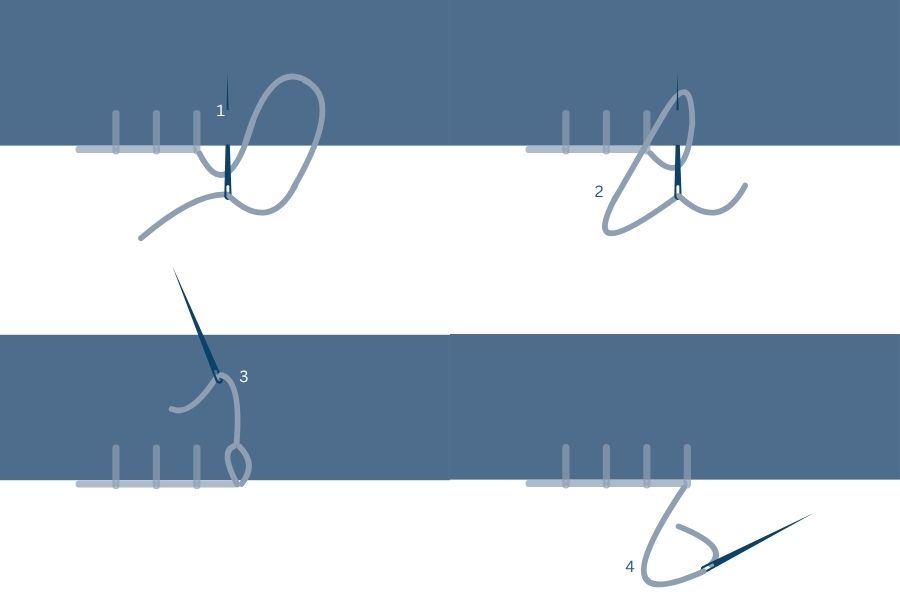
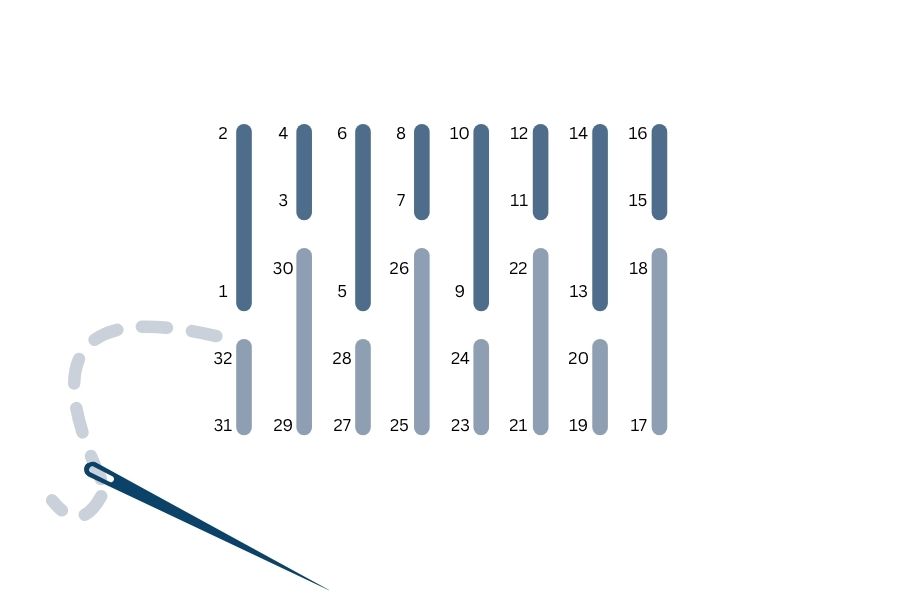
  1. Step 1: Lay the Thread – Place your thicker thread or yarn along the surface of your fabric in your desired shape or line.
  2. Step 2: Bring Needle Up – Bring your needle (with the finer thread) up next to the thicker thread.
  3. Step 3: Anchor the Thread – Make a small stitch over the thicker thread, securing it to the fabric.
  4. Step 4: Repeat at Intervals – Continue making small stitches over the thicker thread at regular intervals to hold it in place.
  5. Step 5: Follow Your Design – Shape the couched thread as you go, guiding it into curves, lines, or patterns.

Tips for Successful Couching

  • Keep anchoring stitches evenly spaced
  • Don’t pull too tightly — allow the top thread to sit naturally
  • Experiment with contrast vs. matching thread
  • Use shorter anchoring stitches for curves
  • Try different materials (metallics, wool, ribbon)

Couching is all about experimentation — there’s no single “right” look.


Common Projects Using Couching Stitch

Couching is perfect for projects that benefit from bold texture:

  • Decorative embroidery and hoop art
  • Lettering and monograms
  • Outlines in modern embroidery
  • Textile art and mixed-media pieces
  • Embellishing garments or accessories

It’s a great stitch for stepping outside traditional embroidery and exploring more creative techniques.


Next Month:
We’ll explore Long & Short Stitch, a technique that brings shading and soft color blending to your embroidery.

The Right Tool for the Stitch: Wool Appliqué

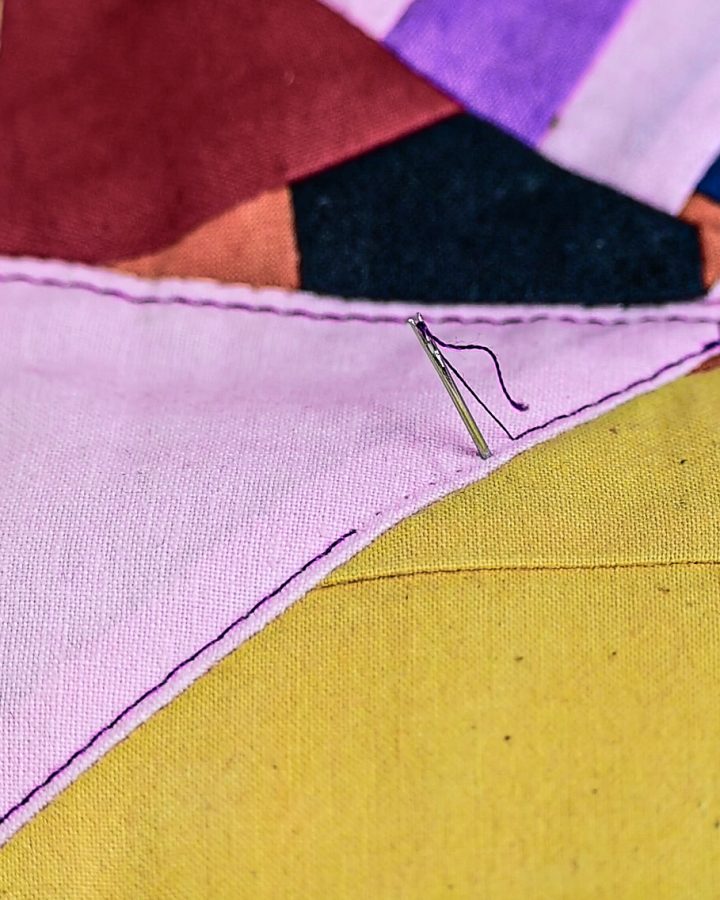
As winter begins to soften and spring projects start to take shape, many stitchers reach for wool appliqué. The soft texture, rich color, and forgiving nature of wool make it ideal for decorative stitching, layered designs, and heirloom-style projects.

But wool appliqué behaves differently than cotton or linen. Its loft, thickness, and layered construction mean the needle you choose can make a noticeable difference in how easily your stitches form—and how polished the finished piece looks.

If your needle feels difficult to pull through layers, or your stitches look larger than you’d like, it may simply be time to switch tools.

Let’s explore how the right needle supports smooth, consistent wool appliqué stitching.


The Stitching Scenario

Hand wool appliqué

Common projects include:

  • Appliqué quilts
  • Penny rugs
  • Decorative pillows or wall hangings
  • Seasonal table toppers
  • Folk art stitching projects

These designs typically involve stitching wool shapes onto a background fabric using small, often decorative stitches.

Because wool is thicker than most fabrics—and often layered—the needle must be strong enough to pass through both materials without distorting the stitches.


The Common Challenges

When working with wool appliqué, stitchers often notice:

  • Difficulty pulling the needle through layered fabrics
  • Large or visible stitch holes
  • Uneven stitch size
  • Hand fatigue during longer sessions
  • Threads wearing down from friction

The density and loft of wool require a needle that balances strength with finesse.


Why the Right Tool Matters

Several needle characteristics influence how easily you can stitch wool appliqué:

  1. Needle Length
    Shorter needles allow for better control when making tiny appliqué stitches.
  2. Shaft Strength
    A slightly stronger needle prevents bending when passing through thicker layers.
  3. Eye Size
    Your thread should glide smoothly through the eye without shredding—especially when using cotton thread or embroidery floss.
  4. Point Style
    A sharp point helps the needle pass cleanly through wool and the background fabric without excessive resistance.

When these elements are balanced, stitches become smaller, smoother, and more consistent.


Our Recommendation: Needles for Embroidery on Linen

Appliqué Needles – Sizes 9–11
These short, fine needles are favorites among appliqué stitchers because they allow for tiny, nearly invisible stitches. Their length provides excellent control when stitching close to edges.

Sharps Needles – Sizes 8–10
A versatile option that works well when stitching through slightly thicker wool or layered fabrics.

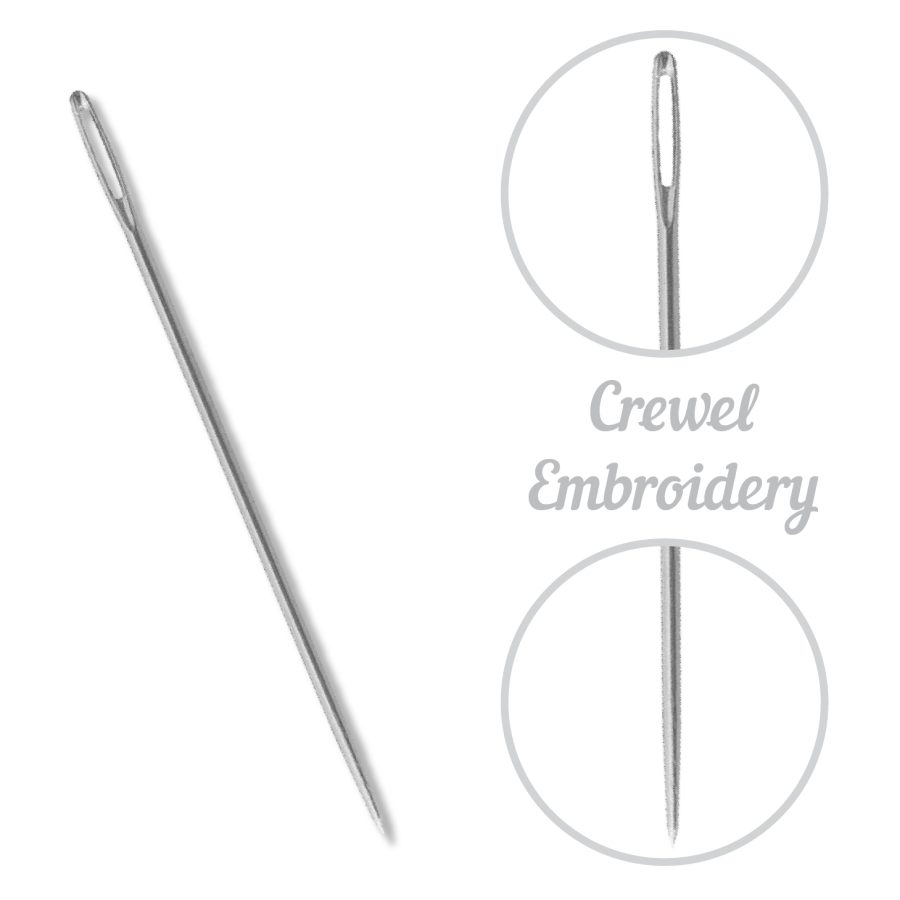
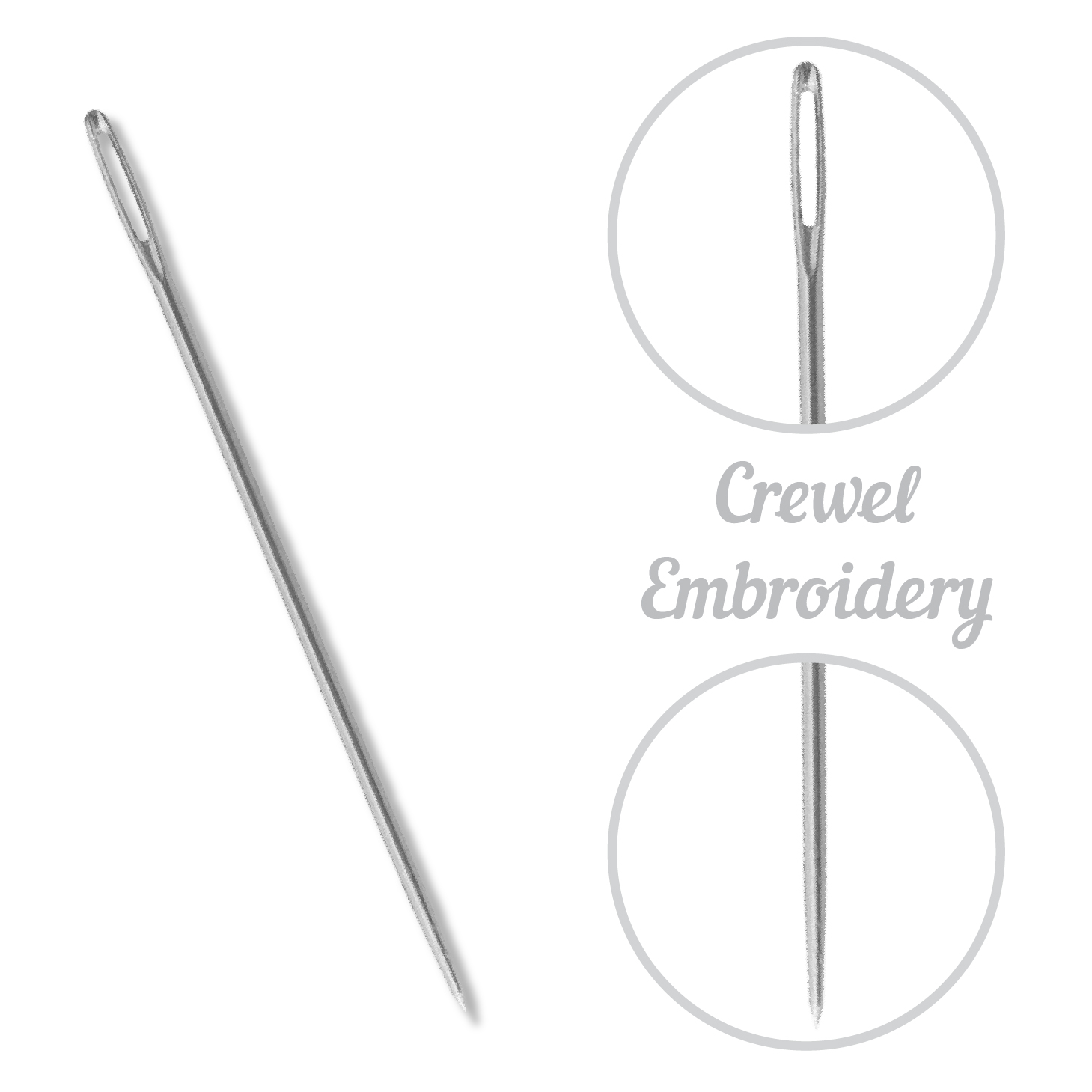
Embroidery (Crewel) Needles – Sizes 7–9
If you’re using embroidery floss or decorative stitching, a crewel needle’s longer eye accommodates thicker threads comfortably.

Choosing the right size depends on:

  • Wool thickness
  • Background fabric
  • Thread type
  • Desired stitch visibility

Testing on a scrap piece before beginning is always helpful.

When in doubt, test on a scrap. Or use our handy Needle Wheel!


Pro Tip: Keep Your Stitches Small

For polished appliqué, aim for stitches that disappear into the edge of the wool shape.

Try this simple technique:

  • Angle your needle slightly under the edge of the appliqué shape
  • Catch only a few threads of the background fabric
  • Keep stitches evenly spaced

A fine needle makes this much easier.


Special Considerations for Layered Projects

Many wool appliqué designs include multiple layers of fabric. When stitching through wool and cotton together:

  • Use a slightly stronger needle if you feel resistance
  • Avoid forcing the needle through thick spots
  • Replace needles that begin to bend or feel rough

A smooth, sharp needle protects both your fabric and your hands.


Reader Takeaway: Quick Checklist

When stitching wool appliqué:

✔ Choose a short needle for better stitch control
✔ Use a sharp point to pass through wool cleanly
✔ Match eye size to your thread
✔ Test your needle on layered fabric before starting

Small adjustments help create beautifully neat appliqué stitches.


Looking Ahead

Next month in The Right Tool for the Stitch, we’ll explore needle choices for hand quilting and big stitch quilting—two techniques where needle flexibility and length make a surprising difference.

Until then, enjoy the rhythm of slow stitching and the satisfying texture of wool appliqué.

The Right Tool for the Stitch: Hand Sewing & Mending

January is the season of fresh starts—and in the sewing room, that often means returning to the basics. Whether you’re mending a favorite garment, repairing household linens, or trying visible mending for the first time, hand sewing is where many stitchers reconnect with the simple satisfaction of needle and thread.

Yet even the simplest stitch can feel frustrating if the tool in your hand isn’t quite right. Choosing the right needle for hand sewing and mending can make stitches smoother, neater, and more enjoyable—and can even extend the life of the fabric you’re repairing.

Let’s take a closer look at how the right needle supports better hand sewing and mending.


The Stitching Scenario

Everyday hand sewing & mending

This category includes:

  • Closing seams or hems
  • Repairing small tears or worn spots
  • Attaching buttons
  • Darning socks or sweaters
  • Visible mending on garments or textiles

These projects often involve a mix of fabrics and threads, which means flexibility matters.

The Common Challenges

Many stitchers struggle with:

  • Thread fraying or knotting while stitching
  • Difficulty pulling the needle through fabric
  • Uneven or bulky stitches
  • Hand fatigue during longer mending sessions

These issues are often blamed on technique—but just as often, the needle itself is the culprit.

Why the Right Needle Matters

A hand sewing needle may look simple, but small differences make a big impact:

  • Eye size: Too small, and your thread frays or won’t pass through smoothly. Too large, and stitches can look sloppy.
  • Shaft thickness: A needle that’s too thick can damage fabric fibers; too thin, and it may bend or break.
  • Point style: The point determines how the needle enters fabric—cleanly or with resistance.
  • Length: Longer needles are helpful for basting or running stitches, while shorter needles offer more control for fine repairs.

Matching these qualities to your project improves both stitch quality and comfort.

Our Recommendation: Needles for Hand Sewing & Mending

For most general hand sewing and mending, look for:

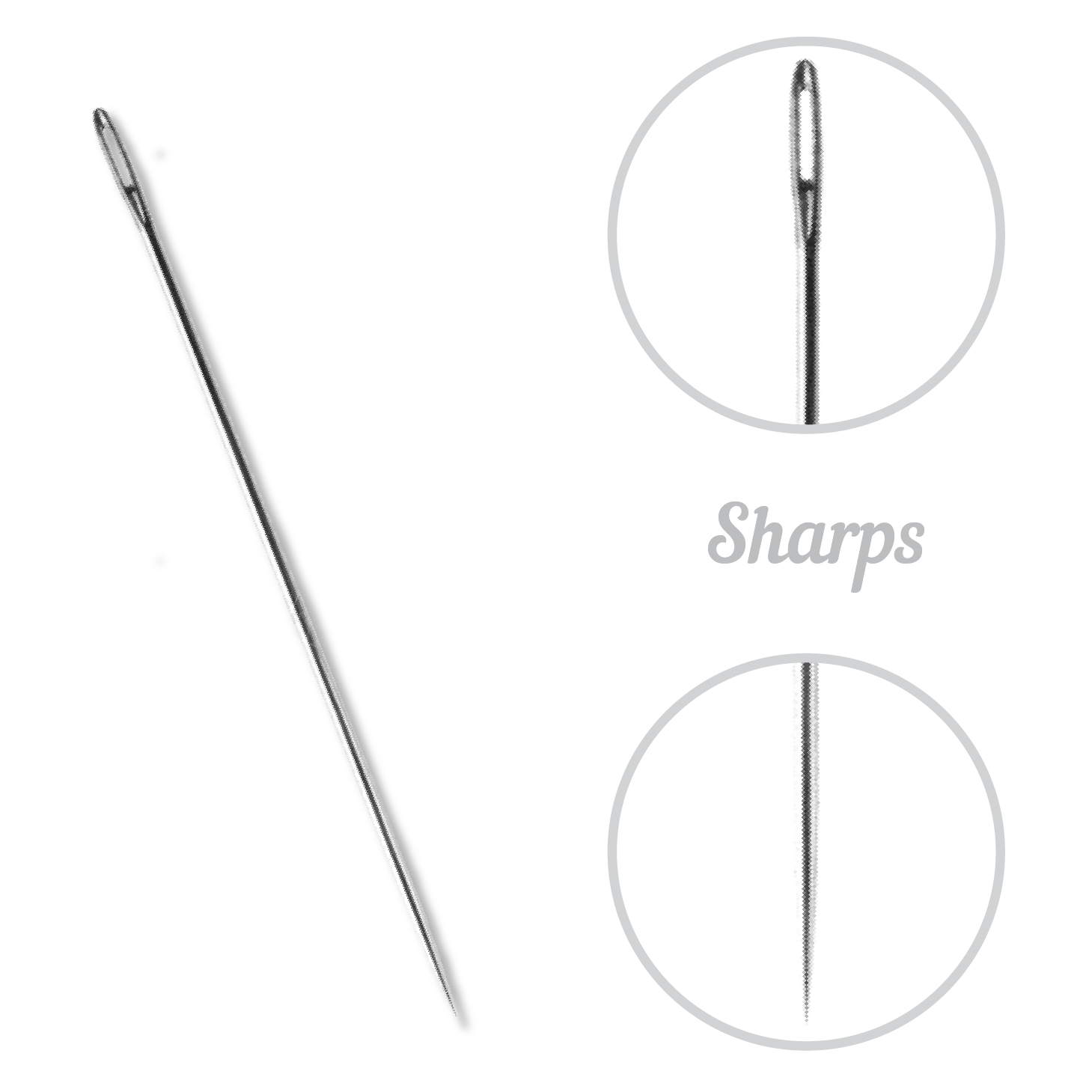
Sharps (Sizes 7–9)
These are the workhorses of hand sewing. They have:

  • A sharp point for easy fabric penetration
  • A medium eye suitable for most sewing threads
  • Enough strength for woven fabrics and light repairs
  • Sharps are ideal for hems, seam repairs, and general garment mending.

Betweens or Quilting Needles (Sizes 8–10)
Shorter and slightly stiffer, these offer excellent control for:

  • Small, precise stitches
  • Reinforcing worn areas
  • Fine, nearly invisible mending

Darners (Sizes 5–7)
Helpful for:

  • Running stitches
  • Basting repairs before machine sewing
  • Visible mending designs

A small assortment allows you to adapt easily as projects change.


Pro Tip: Let the Fabric Lead

When in doubt, test your needle on a scrap of the fabric you’re repairing. If the needle glides smoothly without resistance—and the thread passes through without fraying—you’ve found a good match. If you hear fabric “popping” or feel drag, try a finer needle.

Special Considerations for Visible Mending

Visible mending is as much about expression as repair, and needle choice supports that creativity.

  • Use a larger eye when working with thicker threads or embroidery floss
  • Choose a slightly longer needle for rhythmic, even stitches
  • Avoid forcing thick threads through tiny eyes—it weakens both thread and fabric

The goal is durability and beauty.

Reader Takeaway: A Simple Needle Checklist

If you’re hand sewing or mending:

  • ✔ Match needle size to fabric weight
  • ✔ Match eye size to thread thickness
  • ✔ Keep a small assortment on hand
  • ✔ Replace needles that feel rough or bent

A fresh needle truly makes a difference.

Looking Ahead

Hand sewing and mending are foundational skills—and mastering them sets you up for more advanced techniques throughout the year. In our next installment of The Right Tool for the Stitch, we’ll explore needle choices for embroidery on linen and other specialty fabrics.

Until then, may your stitches be smooth, your repairs satisfying, and your sewing basket well-stocked.

Roxanne Chalk Marking Pencils: The Game-Changer We Didn’t Know We Needed

We’ll be honest: we almost overlooked these.

For years, the Roxanne Chalk Marking Pencils sat in our tool kit like wallflowers at a dance—present, but not particularly noticed. We assumed they were just another marking pencil, nothing special, nothing different from the dozens of other chalks and markers cluttering our workspace.

We were so wrong.

It wasn’t until we really dug into what these pencils are made of and why they behave the way they do that we had our revelation. These aren’t just marking tools—they’re problem-solvers, game-changers, and (in the case of that silver pencil) actual unicorns.

Let us explain.

The Problem With Most Marking Tools

If you’ve been making for any length of time, you’ve probably been betrayed by a marking tool. Maybe it was the wax chalk that melted into your quilt when you accidentally hit it with an iron. Or the “disappearing” pen that left a permanent yellow ghost after washing. Or the heat-erasable marker that reappeared the moment your finished project hit cold storage.

We’ve all been there. It’s heartbreaking to spend hours—sometimes days—on a piece, only to have your marking tool leave a permanent scar.

The truth is, most marking tools involve a trade-off:

  • Wax-based chalks are durable and don’t rub off easily, but they can become permanent if heat is applied, and they’re notoriously difficult to remove completely.
  • Heat-erasable pens give you fine lines that vanish with an iron, but they often leave white “ghost” shadows or reappear in cold temperatures.
  • Water-erasable pens are easy to see and precise, but their chemicals can react with detergents to leave permanent yellow or brown stains if not thoroughly rinsed.

It’s a minefield. And for those of us working with precious fabrics, heirloom projects, or pieces destined for exhibition, the stakes are high.

What Makes Roxanne Different: The Chemistry of Clean

Here’s where Roxanne Chalk Marking Pencils break the mold entirely.

  • Pure Chalk, Zero Wax
    Unlike most marking pencils, Roxanne pencils contain **no wax binders**. None. This means marks will never “set” into your fabric if you accidentally iron over them. The chalk stays on the surface of the fibers rather than melting into them.
  • Chemically Inert
    These pencils are mineral-based, not dye-based. There are no chemicals to react with your detergent, no dyes to oxidize over time, no “chemical roulette” that might leave rust-colored stains months after you thought your project was finished. The marks are just chalk—pure, simple, inert.
  • 100% Water Soluble
    Because there’s no wax or chemical binder holding the chalk in place, Roxanne marks brush off easily or disappear completely with a damp cloth. When you’re done stitching, the roadmap vanishes—no ghosts, no shadows, no evidence it was ever there.
  • Archival Quality
    For textile artists concerned about the longevity of their work, Roxanne pencils are acid-free. Your marks won’t degrade or discolor the fabric over time, making them safe for heirloom quilts, museum-quality pieces, and everything in between.

The “Silver Unicorn” & Why It Changed Everything

If you work with dark fabrics—indigo for sashiko, black cottons, navy solids—you know the struggle. Most marking tools are either invisible on dark fabric or rub off the moment your hand touches the surface.

Enter the **Roxanne Silver Pencil**, which we now affectionately call “the unicorn.”

  • It Works on Everything
    The silver pencil uses a light-reflective mineral that creates a metallic sheen on fabric. On dark indigo or black, it glows like a beacon. On light cream or white, it shows as a soft grey. This means you can work across high-contrast patchwork—going from a dark navy sashiko block to bright white cotton—without ever switching tools.

    Let that sink in for a moment. One pencil. All your fabrics.
  • It Survives the Handling
    For sashiko artists and hand quilters, this is critical. The metallic mineral base “grips” the fiber better than standard chalk, staying crisp and visible through the heavy handling that complex stitching requires. We tested this by aggressively rubbing our hand across marked fabric—the Roxanne line stayed sharp while a standard white chalk line nearby smeared into oblivion.
  • It Still Disappears Completely
    Despite its tenacious hold during the stitching process, the moment you’re done, a damp cloth or a quick wash makes it vanish. In the video, you can see the mark literally pop off the fabric with zero effort and zero residue.

It’s magic. Truly.

The Artistic Revelation: Permanent When You Want It

Here’s where things get really exciting for mixed media artists, embroiderers, and textile artists who work freehand.

Because these pencils are water-soluble, you can use them wet—dipping the tip in water and painting directly onto fabric like you would with watercolor pencils or graphite. The effect is soft, blendable, and beautifully artistic.

Once the marks dry, you can heat-set them to make them permanent. Suddenly, these aren’t just marking tools—they’re design tools. You can sketch freehand, shade, blend, and create dimensional effects that become a permanent part of your textile work.

For artists who want to move beyond rigid patterns and embrace spontaneous, organic design, this opens up an entirely new way of working.

The Bottom Line: Confidence in Every Mark

We spent years thinking Roxanne Chalk Marking Pencils were just another option in an overcrowded market. We were wrong.

These pencils solve problems we didn’t even realize we’d been working around:

– The frustration of switching between light and dark fabrics

– The anxiety of wondering if marks will truly disappear

– The heartbreak of accidental permanence

– The limitation of working only from traced patterns

Whether you’re a quilter who needs marks that survive hours of hand-stitching, a sashiko artist working on dark indigo, or a textile artist who wants to sketch and paint directly on fabric, Roxanne Chalk Marking Pencils deliver precision, versatility, and—most importantly—peace of mind.

Mark with confidence. Create with joy. Let Roxanne take care of the rest.

Ready to Try Them Yourself?

👉 Shop Roxanne Chalk Marking Pencils here.

📺Watch the full video demonstration on YouTube to see the silver pencil in action and learn how to use these tools for both temporary marking and permanent artistic effects.

Have you tried Roxanne Chalk Marking Pencils? We’d love to hear about your experience! Share your thoughts in the comments or tag us on social media with your projects.

Teacher Tips & Techniques: Encouraging Stitchers to Sew On and On

Featuring the Hearts to You Mug Rug Project

Reflecting on years past, when I was preschool age, my parents and I lived in an old three-story schoolhouse in Venice, Ohio. It sat quietly in the country, across the road from a cemetery, and was partitioned down the middle—our family on one side, a family of six on the other. I remember tagging along with my mother to the feed store, carefully choosing three printed chicken feed sacks that matched just right. She hand-stitched them into a new dress for me—clothing made from what is now considered a collector’s item.

Perhaps living in a schoolhouse and wearing feed-sack dresses was an early hint of what was down the road for me: a lifelong love of stitching, teaching, and encouraging others to create with their hands.

Over the years, I’ve taught countless “newbies” and not-so-newbies alike. My goal has always been the same—to help students feel confident, capable, and excited enough to keep sewing long after the class ends. The Hearts to You Mug Rug project is a perfect vehicle for that mission. It’s approachable, adaptable, and full of opportunities for learning and creativity.


Hearts to You Mug Rug Project

Fabrics

  • 5” square felted white wool (top circle)
  • 5” square felted red wool (bottom circle)
  • 2 ¼” x 7” felted red wool (heart appliqués)

Notions

Step-by-Step Project Instructions

This simple wool appliqué project is designed to build confidence while introducing or reinforcing basic hand-stitching skills. Encourage students to work at their own pace and remember: progress matters more than perfection.

Step 1: Prepare the Base Circles

Using the 5” felted white wool square and the 5” felted red wool square, cut one circle from each.

  • The white circle will be your top/background.
  • The red circle will be the base layer.

Tip: If students struggle with cutting smooth curves, provide a paper template or encourage slow, small scissor movements rather than long cuts.

Step 2: Layer and Secure

Place the white circle on top of the red circle, centering it carefully.

  • Use pins, clips, Roxanne Basting Glue, or a few temporary basting stitches to hold the layers together.
  • Check that the red shows evenly around the edges for a neat border.

Teaching moment: This is a great time to discuss alignment, balance, and how layering adds visual interest.

Step 3: Cut the Heart Appliqués

From the 2 ¼” x 7” piece of felted red wool, cut two small hearts.

  • Hearts do not need to be identical—slight variations add charm.
  • Encourage students to draw heart shapes lightly with pencil if helpful.

Ask: How could you change the shape or size of the hearts to make this project your own?

Step 4: Position the Hearts

Arrange the hearts on the white circle until you’re happy with the placement.

  • Overlapping hearts create depth and interest.
  • Once positioned, secure with pins, glue, or a few basting stitches.

Visual learners benefit from seeing multiple layout examples before stitching.

Step 5: Thread the Needle

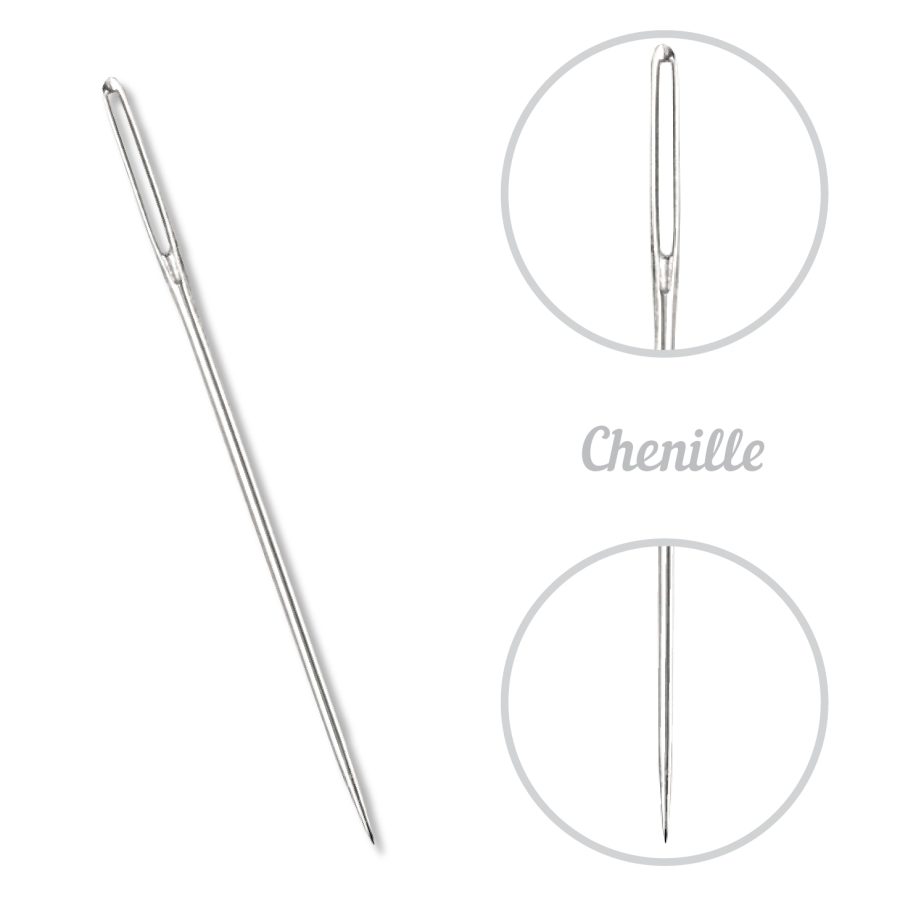
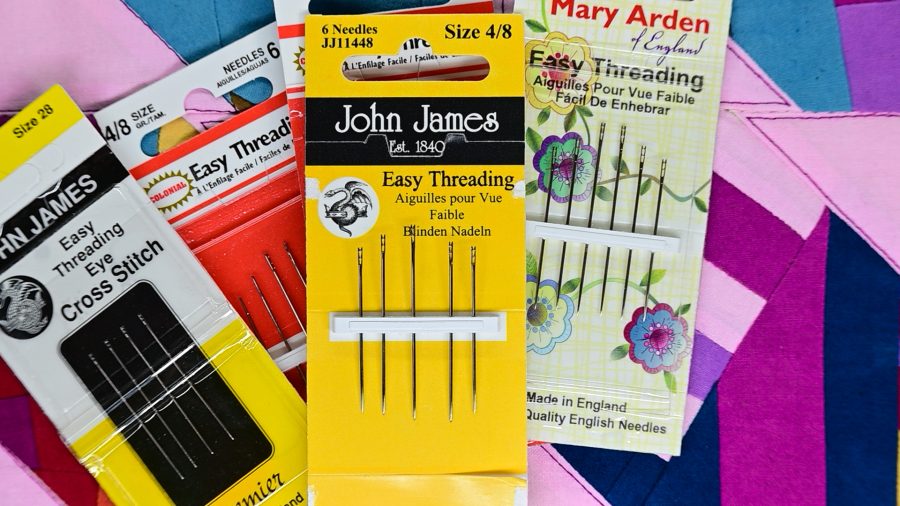
Thread a John James Chenille Needle, size 22 with Presencia Perle Cotton size 8, color #9250.

  • Use a Needle Grip-It if needed to improve control and comfort.
  • Tie a knot at the end of the thread.

Word clue reminder: “The older I get, the finer I am.” (Thicker thread = larger needle.)

Step 6: Stitch the Hearts in Place

Using a simple blanket stitch or whip stitch, appliqué the hearts onto the white circle.

  • Keep stitches evenly spaced.
  • Remind students that stitches don’t need to be perfect to be effective.

Encouragement: An error is not a terror! Wool is forgiving and easy to adjust.

Step 7: Stitch the Circles Together

Stitch around the edge of the white circle, securing it to the red circle beneath.

  • A blanket stitch works well and adds a decorative finish.
  • Rotate the project as you stitch to maintain consistent spacing.

Tip: Take breaks to avoid hand fatigue and maintain stitch quality.

Step 8: Finish and Secure

When you reach your starting point:

  • Take a small securing stitch.
  • Run the needle between layers for about an inch and trim the thread close to the fabric.

This hides the thread tail and creates a clean finish.

Step 9: Show, Share, and Reflect

Invite students to share their finished mug rugs.

Discussion prompts:

  • What stitch or step was your favorite?
  • What was challenging?
  • Where else could you use this technique?

Celebrate each piece—every project tells a story.


Teaching Tips & Techniques That Set Students Up for Success

Start with Connection

  1. Introduce yourself. Let students know who you are—not just as a teacher, but as a stitcher. A personal story builds trust.
  2. Learn where your students are from. Geography, background, and experience all shape how people learn.
  3. Set and state your goal clearly. Whether it’s mastering a stitch or completing the project, clarity matters.
  4. Ask students about their goals. When learners name their own objectives, they’re more invested.

Create a Positive Learning Environment

  1. Set students up for success—and be positive. Confidence grows in encouraging spaces.
  2. “We are successful because we are flexible.” Adjust pacing, methods, and expectations as needed.
  3. Simplify wherever possible. Break techniques into manageable steps.
  4. Set high standards for yourself. Preparation and enthusiasm are contagious.
  5. Manage time wisely and plan ahead. A smooth class keeps frustration at bay.
  6. Provide extra tools—scissors, pencils, needles, fabrics, notions—and label them clearly.

Teach to All Learning Styles

  1. Identify learning styles: visual, auditory, kinesthetic—or a combination.
  2. Make accommodations: Needle Grip-Its, good lighting, comfortable seating, and adequate workspace go a long way.
  3. “An error is not a terror.” Mistakes are learning opportunities.
  4. “It is okay to break rules.” Creativity often lives just beyond them.
  5. Expect the unexpected. Threads tangle, needles bend, plans change—and that’s okay.

Show, Tell, and Practice

  1. Use visuals and drawings. Sometimes a sketch explains more than words.
  2. Demonstrate for large groups and again for smaller groups when needed.
  3. Provide time for guided practice. Stitch alongside students.
  4. Allow independent practice while monitoring and encouraging.
  5. Vary group sizes and group members. Learning from peers is powerful.
  6. Use pull-out groups for extra help or advanced exploration.
  7. Show and share as you go. Celebrate progress, not just finished pieces.

Use Clues and Encouragement

  1. Word clues:
    “Just like me, the older I get, the finer I am. The same is true for thread and hand sewing needles. Sewing machine needles are the opposite.”
  2. Visual clues:
    Place a sticker in the top right-hand corner of a square-up ruler to indicate step one.
  3. Reduce frustration: Encourage breaks, mark with tape, and avoid Sharpie markers on fabric.

Engage Creativity and Reflection

  1. Engage students with questions:
  • How could you change the design?
  • Which color do you prefer?
  • How did you get that corner so sharp?
  • What would you do differently next time?
  1. Transfer learning: Where else could you use this technique?
  2. Check back: What did you learn today?
  3. Reflect together: What would you keep, eliminate, or change?
  4. Appoint “maestras.” Peer leaders build confidence and community.
  5. Keep it FUN! Joy is the best teacher of all.

Sewing Beyond the Project

The Hearts to You Mug Rug may be a small piece, but it carries big lessons—about patience, flexibility, creativity, and community. When students leave class feeling successful and eager to stitch again, we’ve done our job.

After all, sewing isn’t just about thread and fabric. It’s about stories passed down, skills shared, and hearts stitched into every piece.

Happy Stitching!

Judy Moore Pullen

Presencia Corner Bookmarks

September is here, which means the light shifts, the air cools (a little), and suddenly every book on the shelf starts whispering, *pick me up*. For makers, there’s a special magic in pairing fabric and thread with the quiet rhythm of turning pages. That’s where this month’s project comes in: the fabric corner bookmark.

It’s quick, it’s clever, and it’s stitched with Presencia thread — so it’s not just any bookmark, it’s a handmade one that will stay strong through chapter after chapter. Think of it as a tiny quilt block that holds your place between paragraphs.

The beauty of this project is how well it speaks to two parts of our community:

  1. The makers – You already have fabric scraps begging for a purpose and Presencia 40 wt and 12 wt ready to shine.
  2. The readers – Every book lover you know (including you!) could use a few of these tucked into novels, cookbooks, or pattern books.

They’re small enough to batch-make, personal enough to feel like a gift, and durable enough to actually be used. Which makes them just about perfect, right?

And here’s the twist we didn’t see coming until we tried it ourselves: these little bookmarks moonlight as coasters. Slip it off your book page, set it under your coffee mug or tea cup, and you’ve got a soft landing spot for your drink while you read. From page corner to tabletop — multifunctional stitching at its finest.

Presencia’s 40 wt Sewing Thread gives your machine-stitched edges that neat, polished look, while the chunkier 12 wt Perle Cotton brings personality when you hand-embroider a design or initial. However you finish them, they’re proof that thread isn’t just what holds projects together — it’s what makes them shine.

So gather your scraps, grab your Presencia, and make a little stack of bookmarks for yourself and your fellow book lovers. After all, stories are better when they’re shared — and so are stitches.

📄 Download the project handout below.
▶️ Watch the full tutorial on YouTube here.
🧵 Shop all Presencia threads here.