The Right Tool for the Stitch: Hand Sewing & Mending

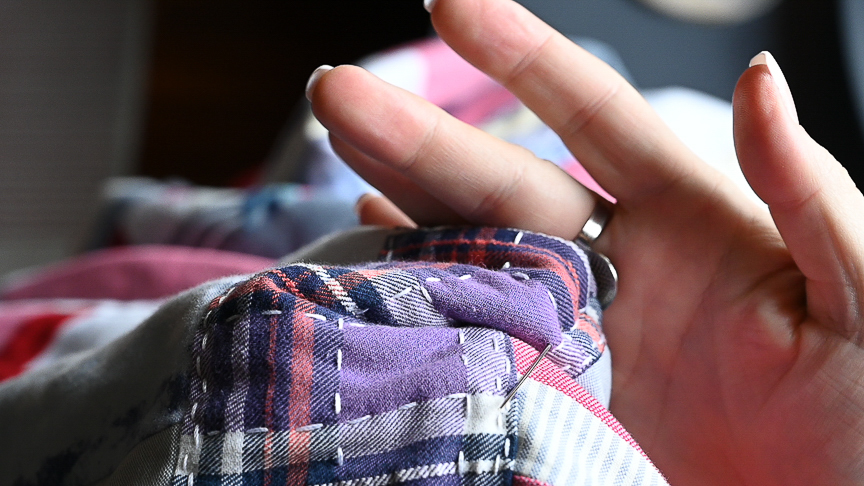
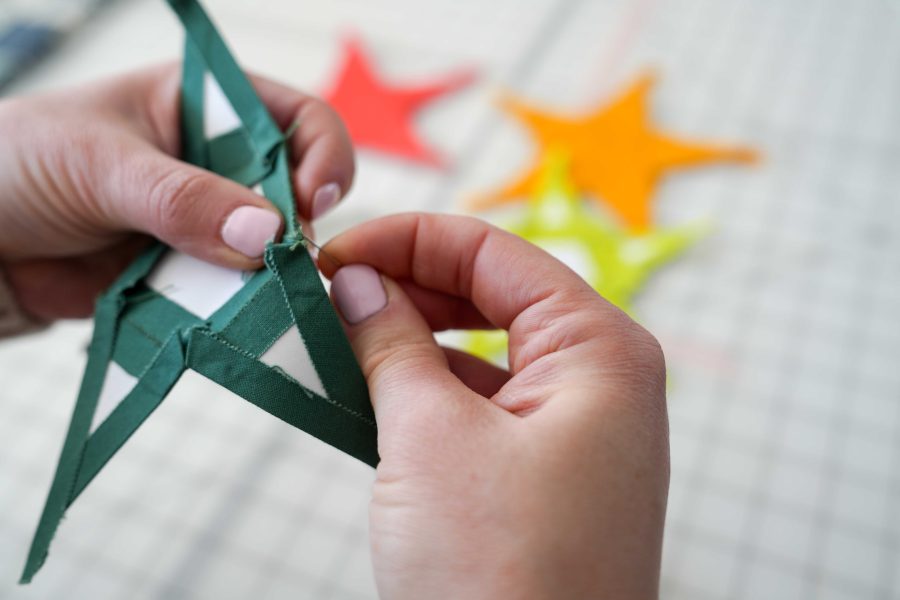
January is the season of fresh starts—and in the sewing room, that often means returning to the basics. Whether you’re mending a favorite garment, repairing household linens, or trying visible mending for the first time, hand sewing is where many stitchers reconnect with the simple satisfaction of needle and thread.

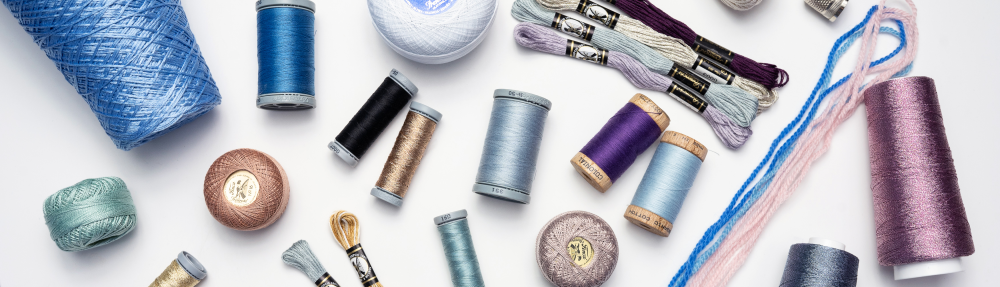
Yet even the simplest stitch can feel frustrating if the tool in your hand isn’t quite right. Choosing the right needle for hand sewing and mending can make stitches smoother, neater, and more enjoyable—and can even extend the life of the fabric you’re repairing.

Let’s take a closer look at how the right needle supports better hand sewing and mending.


The Stitching Scenario

Everyday hand sewing & mending

This category includes:

  • Closing seams or hems
  • Repairing small tears or worn spots
  • Attaching buttons
  • Darning socks or sweaters
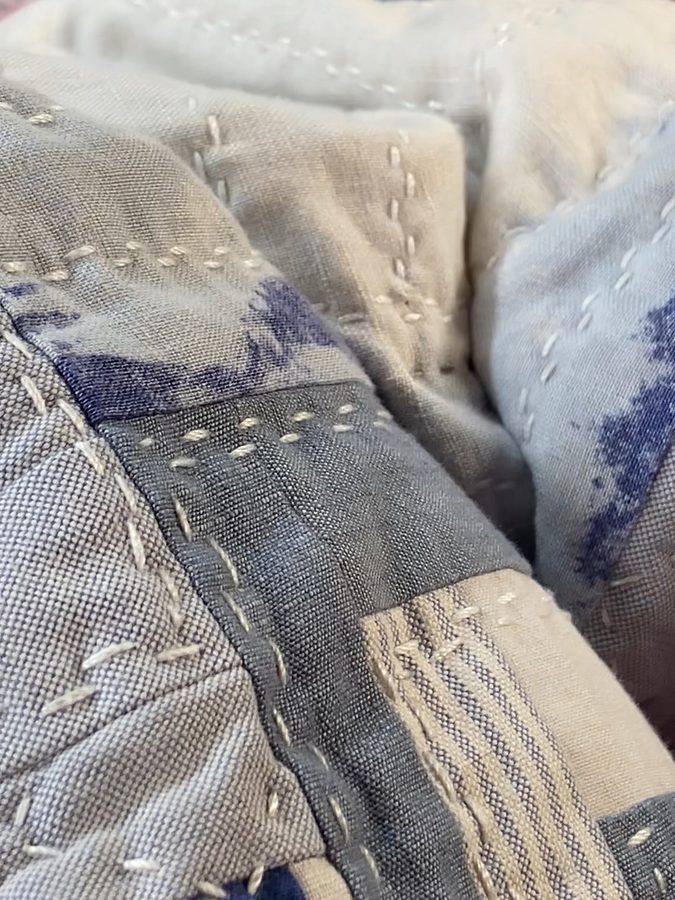
  • Visible mending on garments or textiles

These projects often involve a mix of fabrics and threads, which means flexibility matters.

The Common Challenges

Many stitchers struggle with:

  • Thread fraying or knotting while stitching
  • Difficulty pulling the needle through fabric
  • Uneven or bulky stitches
  • Hand fatigue during longer mending sessions

These issues are often blamed on technique—but just as often, the needle itself is the culprit.

Why the Right Needle Matters

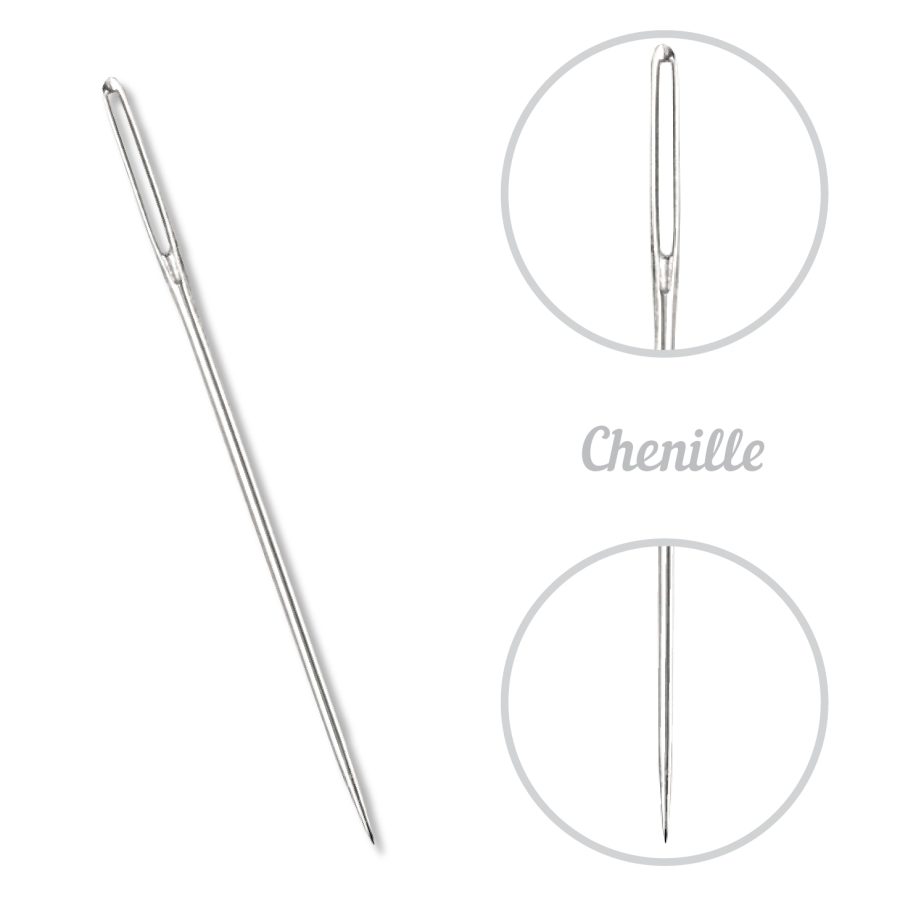
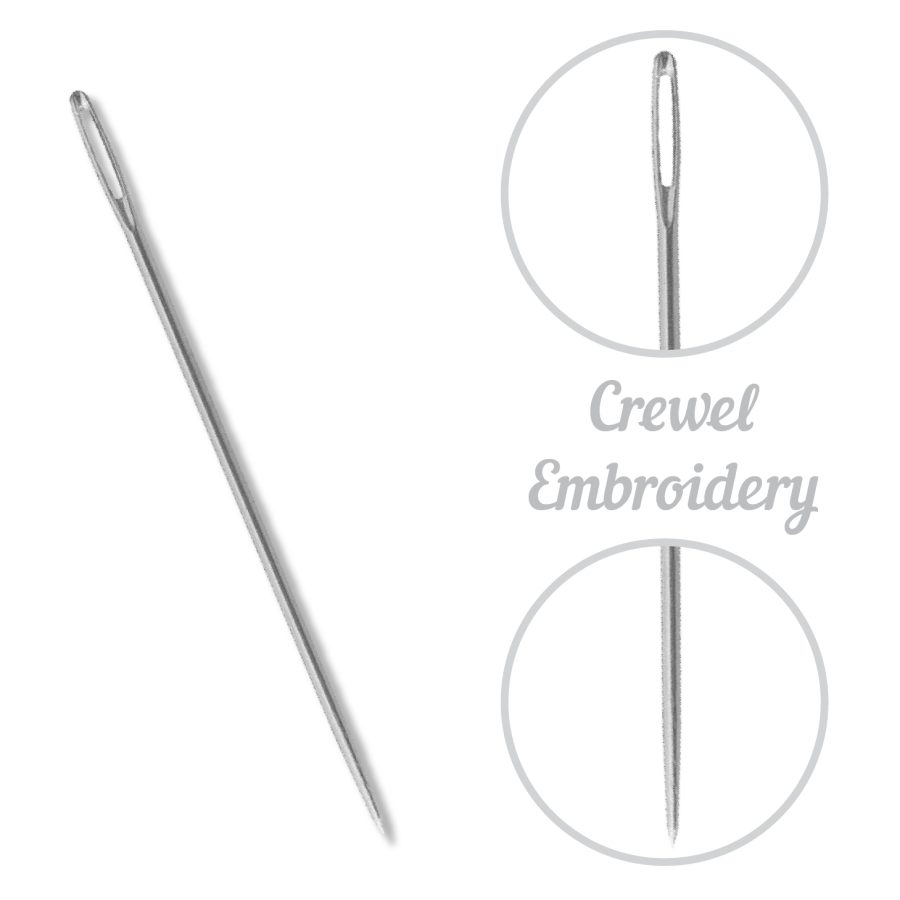
A hand sewing needle may look simple, but small differences make a big impact:

  • Eye size: Too small, and your thread frays or won’t pass through smoothly. Too large, and stitches can look sloppy.
  • Shaft thickness: A needle that’s too thick can damage fabric fibers; too thin, and it may bend or break.
  • Point style: The point determines how the needle enters fabric—cleanly or with resistance.
  • Length: Longer needles are helpful for basting or running stitches, while shorter needles offer more control for fine repairs.

Matching these qualities to your project improves both stitch quality and comfort.

Our Recommendation: Needles for Hand Sewing & Mending

For most general hand sewing and mending, look for:

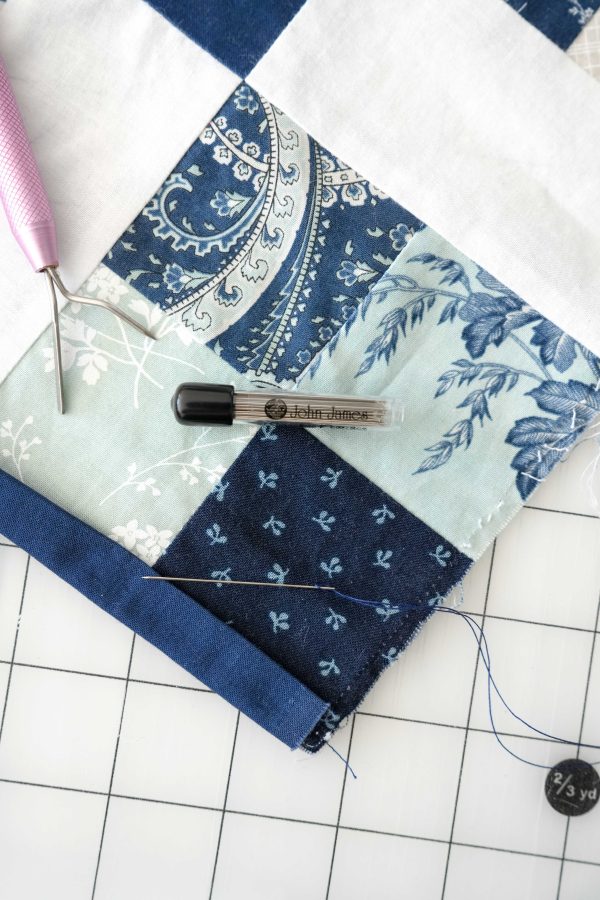
Sharps (Sizes 7–9)
These are the workhorses of hand sewing. They have:

  • A sharp point for easy fabric penetration
  • A medium eye suitable for most sewing threads
  • Enough strength for woven fabrics and light repairs
  • Sharps are ideal for hems, seam repairs, and general garment mending.

Betweens or Quilting Needles (Sizes 8–10)
Shorter and slightly stiffer, these offer excellent control for:

  • Small, precise stitches
  • Reinforcing worn areas
  • Fine, nearly invisible mending

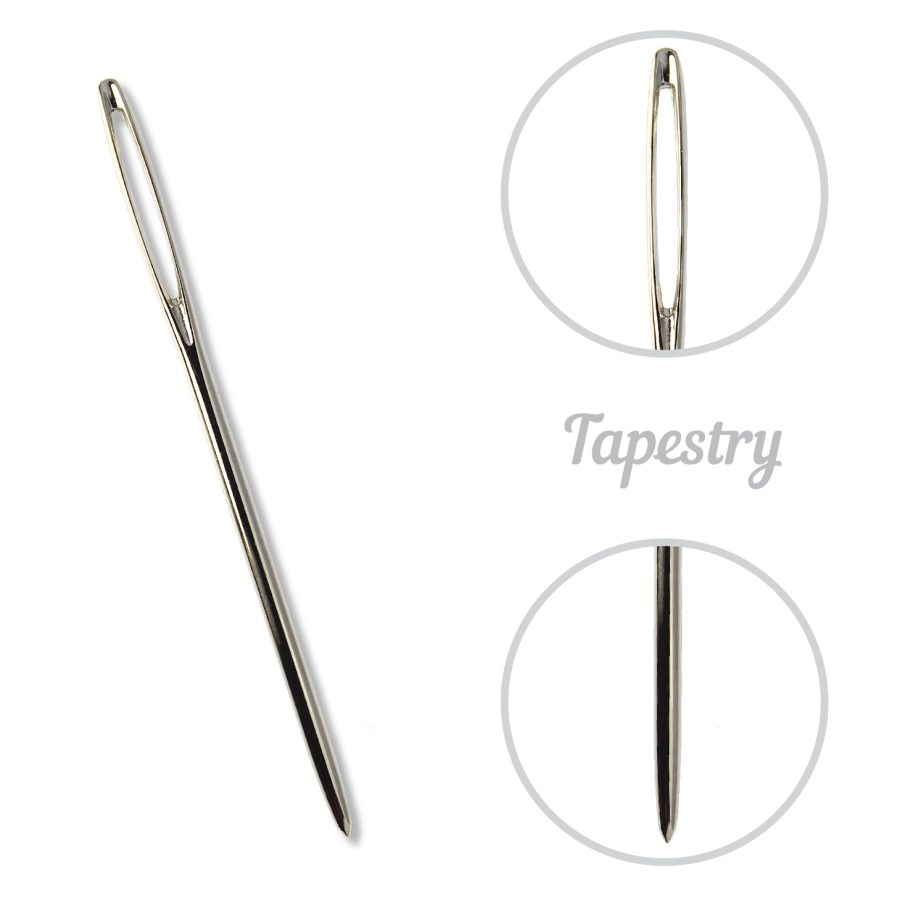
Darners (Sizes 5–7)
Helpful for:

  • Running stitches
  • Basting repairs before machine sewing
  • Visible mending designs

A small assortment allows you to adapt easily as projects change.


Pro Tip: Let the Fabric Lead

When in doubt, test your needle on a scrap of the fabric you’re repairing. If the needle glides smoothly without resistance—and the thread passes through without fraying—you’ve found a good match. If you hear fabric “popping” or feel drag, try a finer needle.

Special Considerations for Visible Mending

Visible mending is as much about expression as repair, and needle choice supports that creativity.

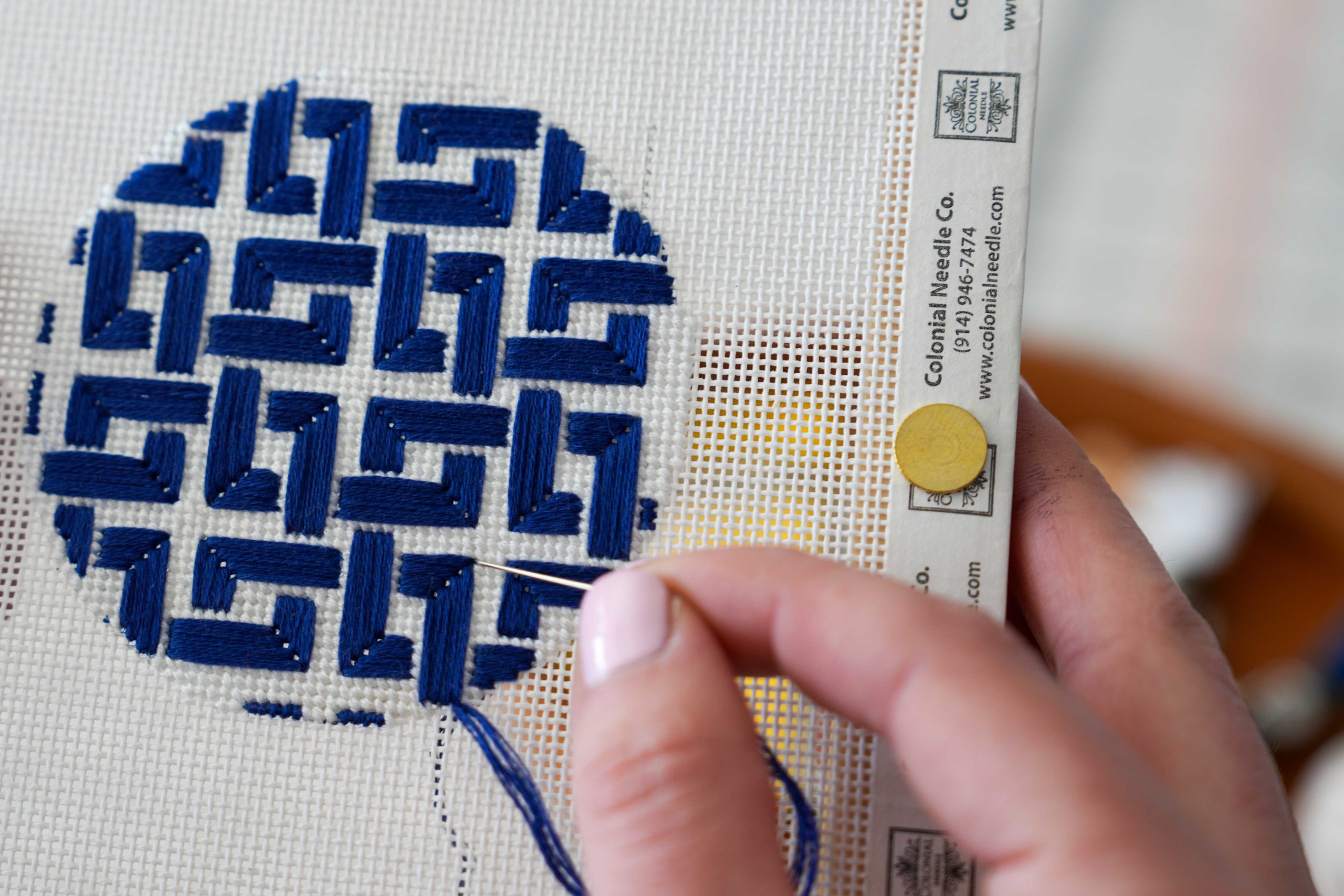
  • Use a larger eye when working with thicker threads or embroidery floss
  • Choose a slightly longer needle for rhythmic, even stitches
  • Avoid forcing thick threads through tiny eyes—it weakens both thread and fabric

The goal is durability and beauty.

Reader Takeaway: A Simple Needle Checklist

If you’re hand sewing or mending:

  • ✔ Match needle size to fabric weight
  • ✔ Match eye size to thread thickness
  • ✔ Keep a small assortment on hand
  • ✔ Replace needles that feel rough or bent

A fresh needle truly makes a difference.

Looking Ahead

Hand sewing and mending are foundational skills—and mastering them sets you up for more advanced techniques throughout the year. In our next installment of The Right Tool for the Stitch, we’ll explore needle choices for embroidery on linen and other specialty fabrics.

Until then, may your stitches be smooth, your repairs satisfying, and your sewing basket well-stocked.

Roxanne Chalk Marking Pencils: The Game-Changer We Didn’t Know We Needed

We’ll be honest: we almost overlooked these.

For years, the Roxanne Chalk Marking Pencils sat in our tool kit like wallflowers at a dance—present, but not particularly noticed. We assumed they were just another marking pencil, nothing special, nothing different from the dozens of other chalks and markers cluttering our workspace.

We were so wrong.

It wasn’t until we really dug into what these pencils are made of and why they behave the way they do that we had our revelation. These aren’t just marking tools—they’re problem-solvers, game-changers, and (in the case of that silver pencil) actual unicorns.

Let us explain.

The Problem With Most Marking Tools

If you’ve been making for any length of time, you’ve probably been betrayed by a marking tool. Maybe it was the wax chalk that melted into your quilt when you accidentally hit it with an iron. Or the “disappearing” pen that left a permanent yellow ghost after washing. Or the heat-erasable marker that reappeared the moment your finished project hit cold storage.

We’ve all been there. It’s heartbreaking to spend hours—sometimes days—on a piece, only to have your marking tool leave a permanent scar.

The truth is, most marking tools involve a trade-off:

  • Wax-based chalks are durable and don’t rub off easily, but they can become permanent if heat is applied, and they’re notoriously difficult to remove completely.
  • Heat-erasable pens give you fine lines that vanish with an iron, but they often leave white “ghost” shadows or reappear in cold temperatures.
  • Water-erasable pens are easy to see and precise, but their chemicals can react with detergents to leave permanent yellow or brown stains if not thoroughly rinsed.

It’s a minefield. And for those of us working with precious fabrics, heirloom projects, or pieces destined for exhibition, the stakes are high.

What Makes Roxanne Different: The Chemistry of Clean

Here’s where Roxanne Chalk Marking Pencils break the mold entirely.

  • Pure Chalk, Zero Wax
    Unlike most marking pencils, Roxanne pencils contain **no wax binders**. None. This means marks will never “set” into your fabric if you accidentally iron over them. The chalk stays on the surface of the fibers rather than melting into them.
  • Chemically Inert
    These pencils are mineral-based, not dye-based. There are no chemicals to react with your detergent, no dyes to oxidize over time, no “chemical roulette” that might leave rust-colored stains months after you thought your project was finished. The marks are just chalk—pure, simple, inert.
  • 100% Water Soluble
    Because there’s no wax or chemical binder holding the chalk in place, Roxanne marks brush off easily or disappear completely with a damp cloth. When you’re done stitching, the roadmap vanishes—no ghosts, no shadows, no evidence it was ever there.
  • Archival Quality
    For textile artists concerned about the longevity of their work, Roxanne pencils are acid-free. Your marks won’t degrade or discolor the fabric over time, making them safe for heirloom quilts, museum-quality pieces, and everything in between.

The “Silver Unicorn” & Why It Changed Everything

If you work with dark fabrics—indigo for sashiko, black cottons, navy solids—you know the struggle. Most marking tools are either invisible on dark fabric or rub off the moment your hand touches the surface.

Enter the **Roxanne Silver Pencil**, which we now affectionately call “the unicorn.”

  • It Works on Everything
    The silver pencil uses a light-reflective mineral that creates a metallic sheen on fabric. On dark indigo or black, it glows like a beacon. On light cream or white, it shows as a soft grey. This means you can work across high-contrast patchwork—going from a dark navy sashiko block to bright white cotton—without ever switching tools.

    Let that sink in for a moment. One pencil. All your fabrics.
  • It Survives the Handling
    For sashiko artists and hand quilters, this is critical. The metallic mineral base “grips” the fiber better than standard chalk, staying crisp and visible through the heavy handling that complex stitching requires. We tested this by aggressively rubbing our hand across marked fabric—the Roxanne line stayed sharp while a standard white chalk line nearby smeared into oblivion.
  • It Still Disappears Completely
    Despite its tenacious hold during the stitching process, the moment you’re done, a damp cloth or a quick wash makes it vanish. In the video, you can see the mark literally pop off the fabric with zero effort and zero residue.

It’s magic. Truly.

The Artistic Revelation: Permanent When You Want It

Here’s where things get really exciting for mixed media artists, embroiderers, and textile artists who work freehand.

Because these pencils are water-soluble, you can use them wet—dipping the tip in water and painting directly onto fabric like you would with watercolor pencils or graphite. The effect is soft, blendable, and beautifully artistic.

Once the marks dry, you can heat-set them to make them permanent. Suddenly, these aren’t just marking tools—they’re design tools. You can sketch freehand, shade, blend, and create dimensional effects that become a permanent part of your textile work.

For artists who want to move beyond rigid patterns and embrace spontaneous, organic design, this opens up an entirely new way of working.

The Bottom Line: Confidence in Every Mark

We spent years thinking Roxanne Chalk Marking Pencils were just another option in an overcrowded market. We were wrong.

These pencils solve problems we didn’t even realize we’d been working around:

– The frustration of switching between light and dark fabrics

– The anxiety of wondering if marks will truly disappear

– The heartbreak of accidental permanence

– The limitation of working only from traced patterns

Whether you’re a quilter who needs marks that survive hours of hand-stitching, a sashiko artist working on dark indigo, or a textile artist who wants to sketch and paint directly on fabric, Roxanne Chalk Marking Pencils deliver precision, versatility, and—most importantly—peace of mind.

Mark with confidence. Create with joy. Let Roxanne take care of the rest.

Ready to Try Them Yourself?

👉 Shop Roxanne Chalk Marking Pencils here.
📺Watch the full video demonstration on YouTube to see the silver pencil in action and learn how to use these tools for both temporary marking and permanent artistic effects.

Have you tried Roxanne Chalk Marking Pencils? We’d love to hear about your experience! Share your thoughts in the comments or tag us on social media with your projects.

Stayin’ Sharp!

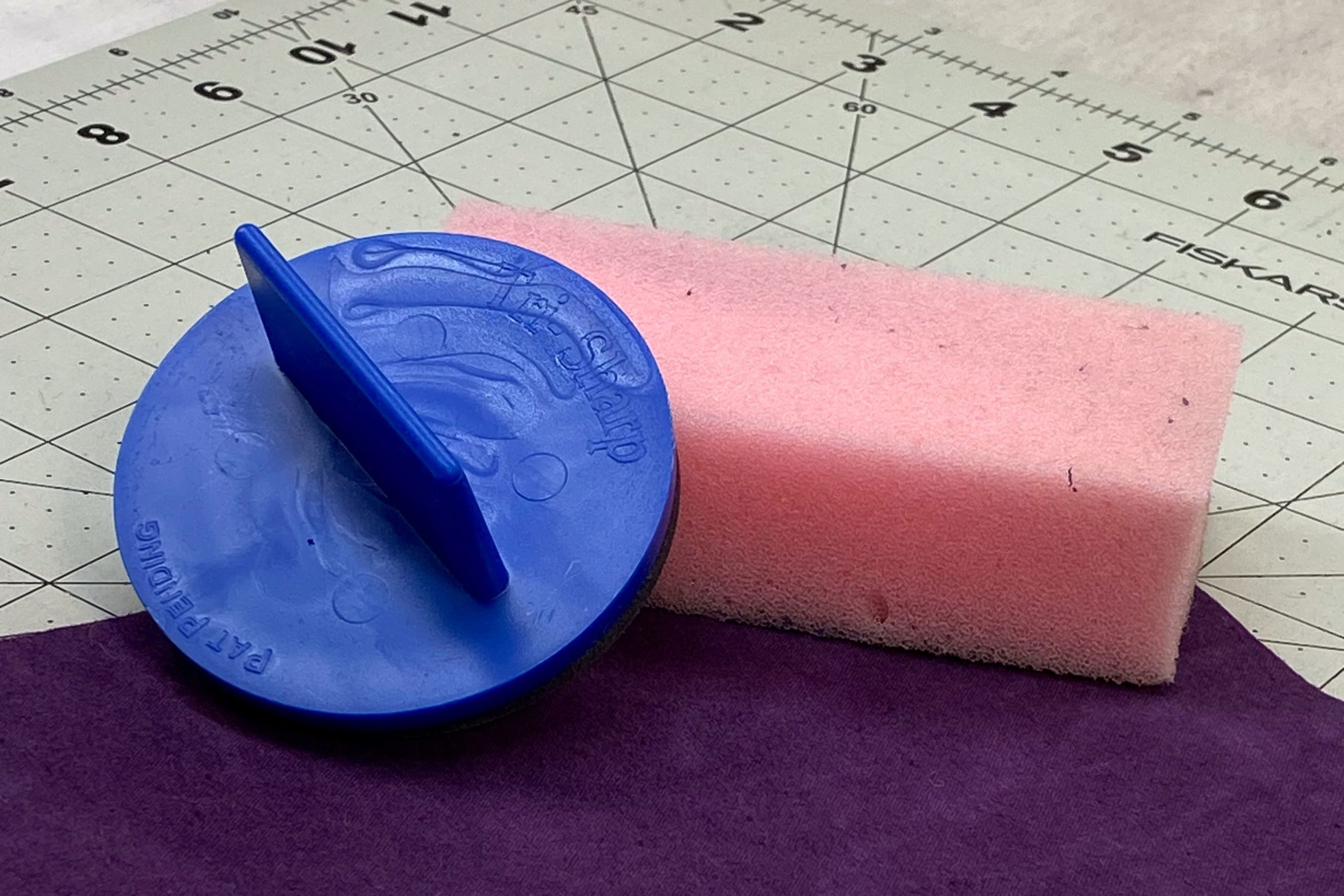
There are a vast array of reasons to love rotary cutters. From the easy speed they provide, to the clean edge of the cuts they make, to that smooth slicing sound they make when elegantly gliding through a stack of cotton…yea, that sound… rotary cutters are a crafters best friend. But what if your best friend is no longer fast, clean, or smooth. It’s time for a little intervention.

Just like dull knives in the kitchen, dull tools in your sewing room are a recipe for frustration and accidents. A blunt blade can mean skips, and ragged edges which can result in thread snags and pulls and having to take the time to go back and snip those threads and missed cuts when all we really want to do is sew. In addition, when the blade is dull, we usually compensate by applying more pressure which can lead to hand, wrist, and shoulder pain or injury. And none of us has time for that! The solution? Either out swap the blade (in this economy?!?) or give it a spa day and sharpen it. Yeah. That second one.

While we do keep a stash of spare blades “just in case,” there’s an easy, budget-friendly option: Colonial’s Rotary Blade Sharpener. This magical little tool is like a fairy godparent for your rotary blades—no wand required. Carefully remove your blade, pop it into the sharpener, and give it a few gentle twists. Voilà! The dual grit sides work together to turn back the clock on your blade’s dull days, leaving it sharper, shinier, and ready for action.

The result? Your blades work better, live longer, and stop making you question your crafting life choices. Give it a whirl—you’ll thank yourself, and so will your fabric.

As always, Stitch On!

Shannon & Jason

Glue Basting with Roxanne Glue

One more product we can’t seem to live without!

Greetings makers, crafters, and creators! Today, we’re diving into another group of Colonial Needle Company products to cover a sticky subject: glue. Specifically, glue basting with the Roxanne Baste-It family of glue.

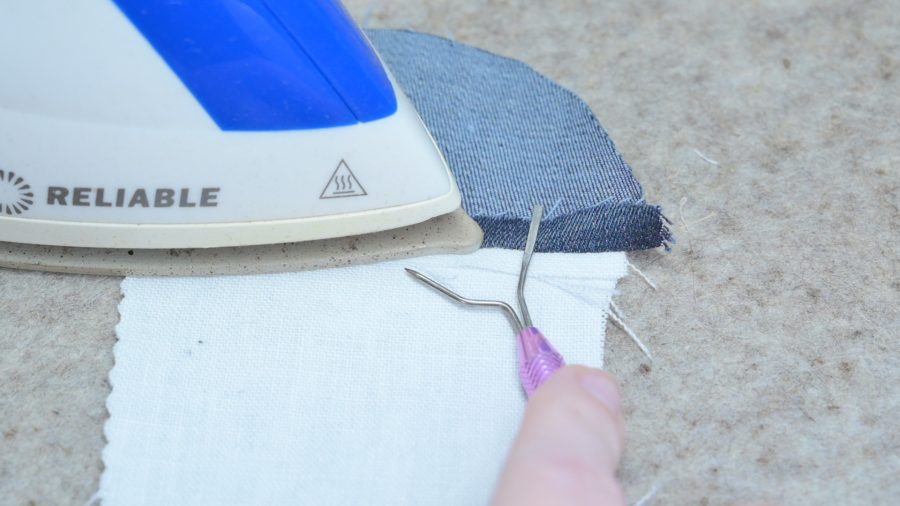
Glue basting is a technique where you apply a thin line of water-soluble glue along the seam allowance or cut edges of fabric pieces to hold them in place before sewing. This allows for precise piecing, perfect points, and smooth curves. It is especially useful for boro, finishing quilts, and a manner of appliqué – completely removing the need for pins.

How to use Roxanne Basting Glue in Four Easy Steps:

  1. Simply apply a fine line of glue
  2. Line up the fabric pieces
  3. Press with a hot iron to set (this step is not always required–as you will see in our video)
  4. Then sew as usual.

Key points about glue basting:

  • Application:
    Roxanne Baste-It comes in a wide variety of container sizes and shapes to suit any purpose. From the spreadable 2-Way applicator to small pipettes and dab on applicators. And the Roxanne Glue Stick glides on smoooooooooth as silk without gumming up your fabric and needles. You choose which glue is best for your project and where to place it.
  • Heat setting:
    Although not required, a hot dry iron can be used to quickly set the glue and further ensure there is no shifting once the placement decisions have been made. Once set, you can easily sew without worrying about shifting seams or fabrics, even when rough handling of the fabric such as for hand quilting, sashiko, and boro.
  • Portability:
    Baste-It products come in easy to store and access sizes. You can take your handwork projects with you whether you’re traveling across the city or just to your sofa for the evening
  • Basting Glue Benefits:
    Say good-by to pins! Baste-It glues reduce the need for pins and clips, making sewing faster and smoother. Especially hand sewing. No fussing to work around pins and no stuck fingers!

Improves accuracy and precision in piecing, especially for points and curves.

Especially well-suited for appliqué, where you need precise placement of fabric edges.

The Roxanne Glue Stick is our go-to for placing boro patches and visible mending patches prior to sewing down. Watch the boro section of our video for how we create boro inspired fabrics as well as some examples of our work.

Baste-It Glue won’t leave a mark on your delicate creations. All of the Roxanne glues are non-staining and wash away completely with ease!

How we use glue basting for different techniques:

  • Boro and Visible Mending:
    Boro Stitching
    Apply a thin layer of glue to the patch and adhere to base fabric, adjusting your placement as necessary. Then stitch down. We love the Roxanne Glue Stick because it glides on smoothly and the patches stay where we place them…until we decide we want them someplace else. Or… someplace else again. But then they stay put!
  • Quilt Binding and Bias Tape: After sewing on your binding to one side of the quilt, fold the fabric over the edge and apply a layer of glue. Press with a hot, dry iron to set, then hand stitch or machine sew the remaining seam down. No clips or pins needed; you don’t have to worry about that binding shifting. Our video features a no worries technique for making fabric tape with Roxanne Basting Glue.
  • Curved seams: Apply a thin line of glue along the curved edge, carefully folding and shaping the fabric edge.
  • Appliqué: Glue the edges of your appliqué piece to the base fabric, ensuring smooth edges and precise placement. Then use your favorite visible or invisible appliqué stitch for attaching. Be sure to watch the video for our tip for sharp corners on those appliqué pieces.

That’s all for now! Let us know if you want a recommendation for which glue is best for your project or share your favorites with us. And remember to check back for more about our fav products from Colonial Needle Company as well as projects and tutorials that show how we use this all-encompassing line of products in our studio.

Keep up with the Colonial Needle Company on their social media channels and YouTube.

You can find us at shannonandjason.com and on our Instagram and Facebook pages we are @embracethecreativechaos.

Which CNC products do YOU have questions about? Let us know and we might just feature your question in a future video or post.

Until then…STITCH ON!!

Shannon & Jason

A [Thimble] Crown Fit for a Queen!

Hey folx! Shannon and Jason checking in.

Back in February, we had the pleasure of meeting the Colonial Needle Company team at Sew Expo. We chatted about reviewing their products and made it crystal clear—we’re all about honesty, no punches pulled so if we like a product, we will shout it from the rooftops and use it.

On the bustling Sew Expo show floor, they handed us packs of needles, various sewing tools, and what looked like tiny metal disks with dimples and sticky tabs. We’re all about toys for the sewing studio, but our first thought about those metal disks? “Okayyyy, not sure how this will play out, but let’s give it a whirl.”

Fast forward to May, and Jason, with his big mitts (no offense, J!), was tearing up the house looking for a thimble for sewing a label onto a quilt. Most thimbles on the market aren’t built for his large fingers. Then, lightbulb moment—we remembered those Thimble Crowns from Colonial Needle. We pulled them out of the box, applied the sticky dot, slapped one on Jason’s finger, and off he stitched. It was anyone’s guess how it would turn out.

So, real talk. For a long time, we have joked about starting a blog titled “That’s the dumbest thing I’ve ever seen… and now I can’t live without it.” If that blog existed, the Thimble Crown would be a star. Seriously, what a game changer!

Fit like a glove—err, crown—boosted his nimbleness and let him crank out even finer stitches (and trust us, his stitches were already A+). It upped his needle game, gave him more comfort, and let him tweak its position to suit his sewing style.

Shannon quickly jumped on board using the dimpled crowns for embroidery, quilting, and general hand sewing as well as EPP. See, Shannon has nails, she will not sacrifice her manicure to a full covering thimble. These little wonders were the PERFECT solution for her manicured fingers because they stay in place without interfering with the nails. Also, she tends to stitch using the side of her finger to push the needle and this little Crown Thimble stayed securely in place even on the inside edge of her middle finger. You can imagine this was an amazing little tool for rocker stitch quilting. Yup… she’s sold on them now too. Completely.

Both of us tested the Thimble Crowns on our middle fingers, knuckles—heck, even our palms for lighter sashiko stitching. It’s ace for most of our hand stitching gigs: basic sewing, embroidery, quilting, mending, you name it. Honestly, not sure how we coped without one all these years.

Colonial Needle offers a range of these thimble tips for different sewing jobs. Check ’em out and give ’em a whirl. Next up for us? We’re trying the Under Thimble and Thimble Dimple for some hand quilting. We’ll keep you posted!

Stitch On!

Shannon & Jason

ROXANNE TO THE RESCUE AGAIN!!!

By Judy Moore Pullen

I am so eager to share with you one of my favorite NEW tools: Roxanne Temporary Adhesive Spray from Colonial Needle Company. It can be found on their website here, at major suppliers, and hopefully, quick as a bunny at your favorite quilt and fabric shops. There are so many wonderful uses and applications for this fabulous adhesive spray…so where to begin?!

What is Roxanne’s Temporary Adhesive Spray?

Roxanne is a well-known brand of quilting products, including glues, needles, and notions. The qualities of their Temporary Adhesive Spray are many. This spray adhesive is acid free, odorless and colorless meaning it will not stain fabric or fibers. For those of you with pricey or precious vintage sewing machines, it will not clog your machine or needles. As a tool, Roxanne’s spray assists in positioning and holding fabrics for quilting, sewing, and other fiber-related activities, yet it is temporary and disappears when washed. It is almost like another pair of hands assisting you to smoothly position and hold layers in place for the next step.

Roxanne Temporary Adhesive Spray will be loved and adored by quilters who are layering, seamstresses, home décor sewists, embroidery enthusiasts, applique and piecing passionists (that’s a word, right?), craft designers and artists, pattern piecing persons, and so many more! If you enjoy working and playing with fabric, fibers, threads, roving, yarn, etc., you will find that Roxanne’s newest product will fill your needs for fun and ease of use. The time saved with its use will allow you to spend more time playing and creating. As a firm believer in the importance of process, the doing part of a project for me is such an important part of the joy of creating; almost as important as showing off my finished product!

How do you use Roxanne’s Temporary Adhesive Spray?

For years, I have been safety pin-basting backing, batting, and tops together for hand or machine quilting. I do not have time on my hands, but my hands have many years of time on them, and basting a quilt this way is not one of my favorite things to do. My hands and fingers become sore. However, what a joy to layer a quilt now with Roxanne’s Temporary Adhesive Spray!

  1. Prepare by rolling the batting loosely from one end toward the other.
  2. Repeat with the quilt top, and lay both aside nearby.
  3. Secure the quilt backing layer to a clean flat surface, wrong side up, with masking tape.
  4. Lightly spray with Roxanne Spray.
  5. Position the batting at one end of the backing, and unroll the rest of the batting toward the other end, smoothing lightly with your hands as you unroll. Spray backing with Roxanne then unroll and layer batting
  6. Next, lightly spray the batting, then lay the quilt top at one end of the batting.
  7. Unroll the quilt top toward the bottom edge of the batting, smoothing and pressing lightly, flat as a tortilla, and smooth as an ice-skating rink!! Spray batting and unroll and smooth appliquéd top.
  8. Quickly and beautifully flat for hand or machine quilting!

All odor-free, easy-peasy and no sore fingers or hands!! After a few minutes to dry, I am confident that neither my machine nor hand quilting needle will get tacky while stitching.

TIP:
If you are generous with the spray and it winds up on your table or a surface, not to fret! A light spray with water and swipe with a clean dry cloth will remove the light tackiness.

What are some other benefits of using RX Adhesive Spray?

When machine or hand quilting, I sometimes get those undesired little pleats or tucks on the back side of my quilt whenever I approach a previous line of stitching. At times I need to manipulate the layers, or needle-down in my machine, lift presser foot, and give little tugs back and forth to remove bubbles on top, and hopefully prevent gathers on the backing. However, with Roxanne’s Temporary Adhesive Spray, I happily keep stitching when approaching quilting stitches, no bubbles on top and no ruffles on the back! My machine quilting has improved so much and in such a short period of time. Time saved basting layers together and quilting add up to the probability of getting more projects finished and more begun. Win~Win! More play time and improved finished product, means I am one happy quilter and excited about sharing what I have learned and experienced with this wonderful product from a name we know and trust to do what we love to do.

What else can you do with Roxanne’s Temporary Adhesive Spray?

Here’s how Roxanne’ Spray helped me easily add borders to an old incomplete project:

A wool applique enthusiast, I also discovered Roxanne’s Spray works beautifully to layer wool to batting for quilting.

Wool background layered with Roxanne Spray on batting

Another of my older needle turn applique projects needs help, so I plan to unstitch some of the applique on Sunbonnet Sue, spray lightly, reposition Sue’s dress and sunbonnet, and needle turn applique back in place.

In an upcoming blog, I want to share ways I have used Roxanne glues, needles, and notions. I guess you could say I am a fan of Roxanne products. Oh, wait, I happen to know where some vintage fan blocks are, and can hardly wait to applique them to backgrounds with Roxanne’s Spray. Then, I’ll turn them into a quilt, and move on to another fun project! Yes, I am very excited about this new product.

Go ahead, thank Roxanne for adding more playtime, fun, and pleasure to your fabric and fiber projects. You can thank me later.

Happily sew on and sew on…

Judy Moore Pullen