The Spring Clean Your Studio Actually Needs (Or: How We Stopped Throwing Away Perfectly Good Mats; And Started Obsessing Over a Sponge)

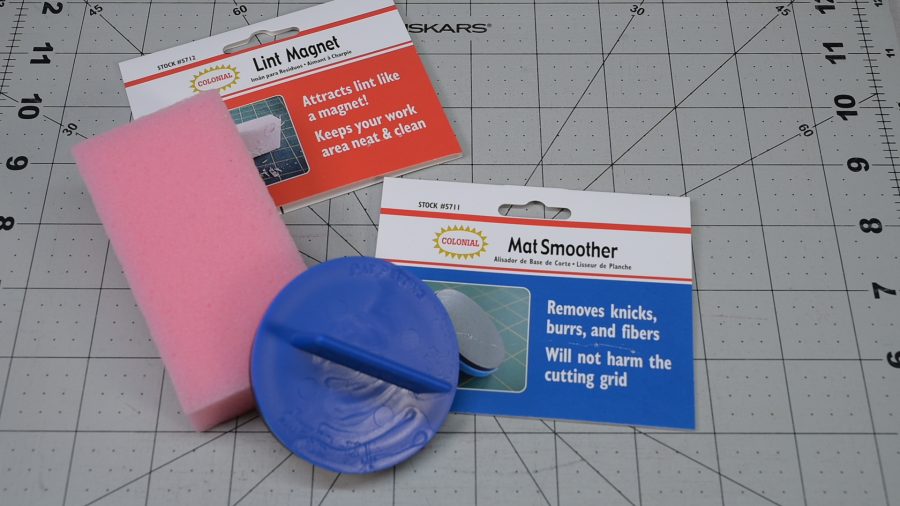
Hey there folx! Shannon & Jason here and this month we’re going to be completely honest with you here for a moment: When the folx at CNC told us to try these out, we thought both of these tools were gimmicks. A little scrubbing tool to “restore” cutting mats? And a reusable sponge to replace our lint roller? Yeah, sure okay. When a mat gets grooved and scarred from years of rotary cutting, utility knives, and general studio chaos, you flip it, rotate it, and eventually replace it. When fabric gets covered in thread lint, you grab whatever sticky roller is closest. That’s just how it works. Right?
Turns out, we were spectacularly wrong about both of them.

The Problem We Didn’t Know We Could Fix

Our big industrial cutting mat – the beast we bought from years ago for the main worktable – had seen some things. We use that surface for everything: fabric cutting, yes, but also scoring paper, trimming mat board for textile art pieces, cutting reclaimed plastic for our Unconventional Boro work, you name it.

The center section, the high-traffic zone where 90% of our cutting happens, had developed serious grooves. Not just surface scratches but deep channels filled with fabric fibers that made our rotary cutters skip mid-cut. You know that feeling when your blade skips a few threads or slips forward because it hit a scar in the mat? Yeah. That was happening multiple times per project. Truly maddening.

We’d already flipped and rotated the mat once and that was a task and a half that we did not look forward to repeating. The next step was replacement, which for an industrial-sized mat is not a small expense.

And then the folks at Colonial Needle said, “Just try the Mat Smoother first.” (They are always doing that kind of thing to us!)

We were skeptical. But we tried it anyway (because what did we have to lose) and, if it didn’t work… well then, we’d have to go back to the flip or replace plan. Turns out (as with the other tools the folx at Colonial Needle Co. show us)… 

It worked.

Not just “a little better” worked. Not “bought us a few more months” worked. The Mat Smoother lifted out the trapped fibers from those grooves, allowing the self-healing surface to actually close back up under the motion of the mat smoother. The skipping stopped. The blade glided smooth and true and the cuts were clear again. No skipped threads. The mat we thought was done for is still in heavy rotation a year later.

The “Unsexy” Tools That Save Money

Here’s the thing about the Mat Smoother: it’s not flashy. It doesn’t make your projects prettier or faster. It doesn’t unlock new techniques or creative possibilities.

But it saves you money. Real money.

How it works: The Mat Smoother isn’t sanding down your mat — it’s gently buffing out the fabric fibers, thread bits, and debris that get trapped in the cuts. Self-healing mats are designed to close back up after each cut, but they can’t do that if the grooves are packed with lint and fiber. The Mat Smoother massages those fibers out (always use circular motions with light pressure), and suddenly your “dead” mat is smooth again.
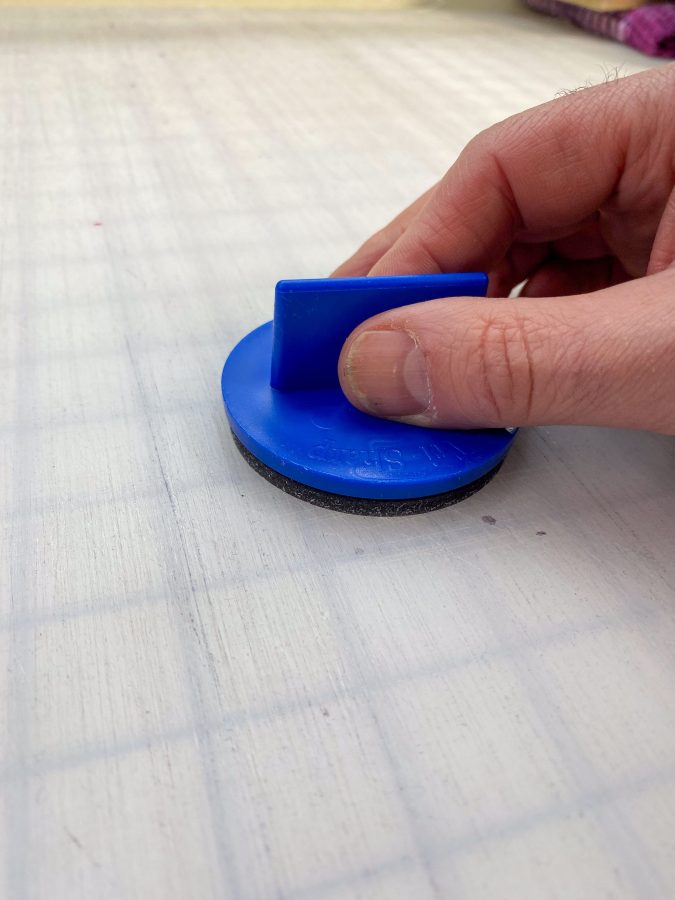
We use it on:

  • The big industrial mat when the center section starts to feel gritty
  • Our smaller side-table mat by the sewing machine (that one gets messy FAST from trimming threads and seam allowances)
  • Any mat that’s starting to show visible fiber buildup

Pro tip: If you’re working on a white mat (like we do for photo and video shoots), dark fabric fibers can get embedded in the surface and cause color cross-contamination when you lay down lighter fabrics. A quick pass with the Mat Smoother before switching from dark to light fabric prevents that transfer. Once we learned that little trick, we use it every time we shoot a class or photograph a project or step-out.

The Lint Magnet: The Unsung Hero of Photo Prep

And then there’s the Lint Magnet, which we also thought we didn’t need. We had lint rollers. We had tape. We had a vacuum with a brush attachment. What more could a sponge-like thingamabob possibly offer?

Turns out: a lot.

Side Note: Yes, we’ve learned to just trust the Colonial Needle Co. folks and use the tools they recommend. We learn!
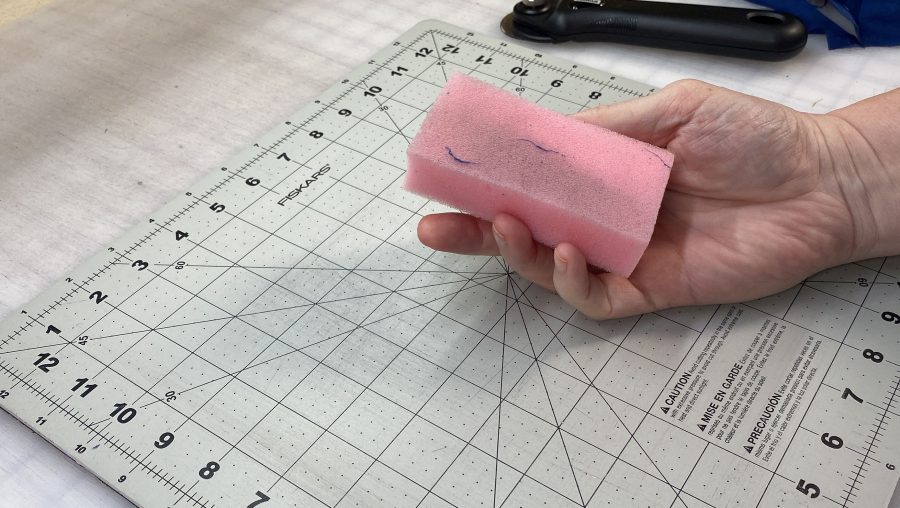
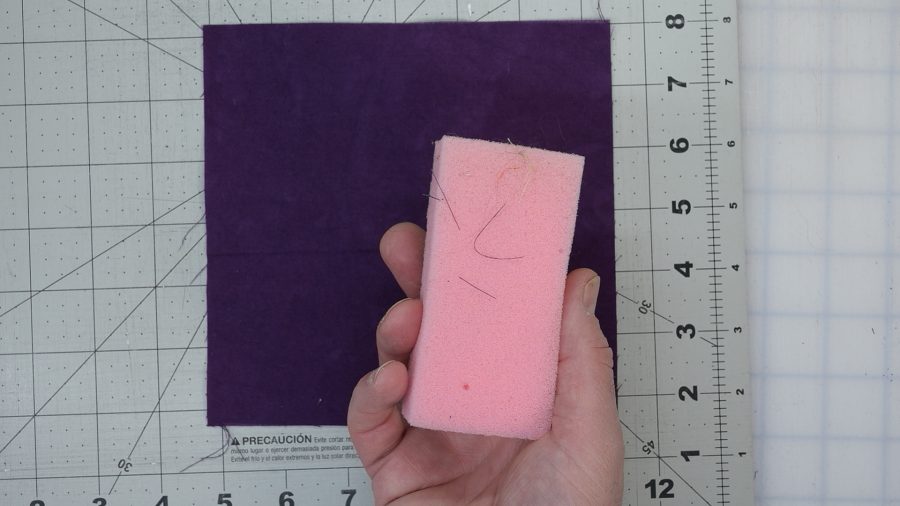
The Lint Magnet doesn’t just move lint around or pick up surface fuzz, it lifts embedded threads and fibers from fabric without leaving residue, without using sticky sheets you have to replace, and without the aggressive pull of a lint roller that can distort delicate textiles.

We use it constantly for:

  • Cleaning up the big white cutting table between photo shoots (because every thread shows up on white, and we film and photograph a LOT of content)
  • Removing thread lint from dark sashiko fabric after stitching (white thread on indigo? Every speck is visible)
  • Prepping wool and felt projects before photography
  • Quick cleanup of our sewing machine’s exterior surfaces (because yes, those get fuzzy too)

And then there’s the bonus use we stumbled onto recently that we did not see coming: felt hats. If you have a collection of felt hats — and apparently, we do — you already know they attract absolutely everything. The Lint Magnet handles them perfectly. No pulling, no distorting the felt, and no sticky residue that attracts more “stuff,” just clean hats. It’s now a permanent part of our hat care routine before we walk out the door.
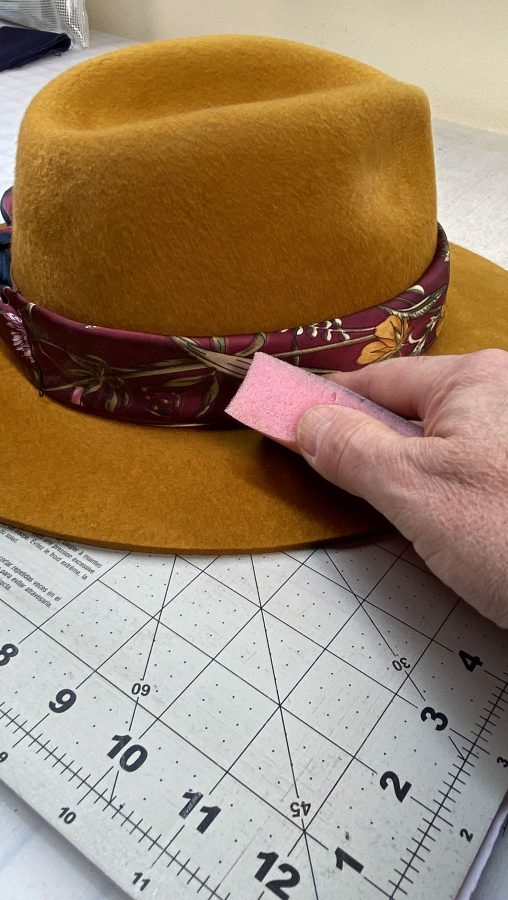
The best part? It’s reusable. No disposable sticky sheets filling the trash. Just rinse it when it gets saturated, let it dry, and it’s ready to go again.

It’s one of those tools that falls squarely into our category of “things we thought we didn’t need until we tried them and now we know just how terribly wrong we were and are glad we don’t have to do without them.” It’s a long category title, but we can admit when we’re wrong.

Why Maintenance Actually Matters

Here’s what we’ve learned about studio maintenance over the years: it’s not about keeping things Instagram-perfect, it’s about protecting your investment in your craft.

Clean mats mean:

  • Your rotary blades stay sharper longer (less friction = less dulling)
  • Your rulers don’t slip on gritty surfaces
  • Your cuts are accurate because the blade isn’t skipping over embedded fibers
  • You’re not wasting money replacing mats that just needed a good cleaning

Lint-free fabric means:

  • Your finished projects look professional (no white fuzz on your black wool coat)
  • Your photo and video content is cleaner (trust us, every speck shows up on camera)
  • You’re not fighting cross-contamination between light and dark fabrics

These aren’t glamorous tools. They won’t make your Instagram feed pop. But they’ll save you money, extend the life of your expensive surfaces, and prevent the low-key frustration of cutting on a mat that fights you every step of the way.

The Bottom Line: Maintenance Makes the Maker

A few years ago, if you’d told us we’d be writing a love letter to a mat cleaning and smoothing tool and a lint sponge, we would have laughed.

But here we are.

The Mat Smoother saved our big industrial mat from early retirement and extends the life of our cutting mats all over the studio. The Lint Magnet keeps our photo prep from turning into a 20-minute lint-picking session — and our felt hats looking sharp. Together, they’re the maintenance duo we reach for every time we reset the studio.

If your cutting mat is feeling gritty, if your rotary blade is skipping, if you’re considering replacing a mat that’s “just worn out” — try the Mat Smoother first. If you’re spending more time picking lint off dark fabric than actually stitching it, the Lint Magnet will change your life. And if you have felt hats, well. You’re welcome.

They’re not exciting. But their value is in how well they work. And sometimes, that’s exactly what you need.
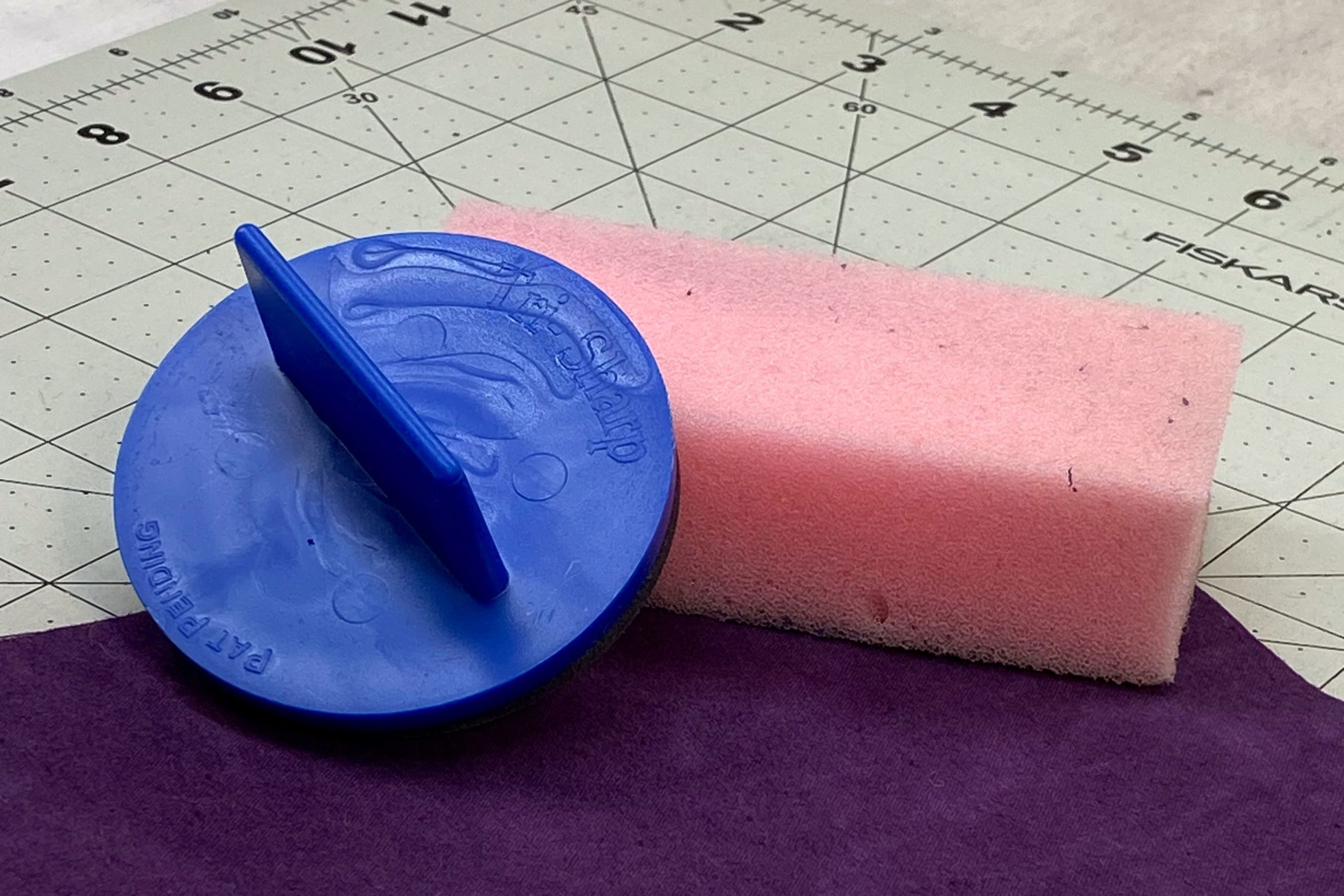
Ready to restore your studio?

Shop the Mat Smoother here.

Shop the Lint Magnet here.

Watch the video demonstration on YouTube to see these tools in action on our battle-scarred mats and lint-covered fabrics.

What’s your studio’s “high-traffic” zone? Is your cutting mat more scarred or smooth? Share a photo and tag us — we want to see those Mat Smoothers saving the day!
A [Thimble] Crown Fit for a Queen!

Hey folx! Shannon and Jason checking in.

Back in February, we had the pleasure of meeting the Colonial Needle Company team at Sew Expo. We chatted about reviewing their products and made it crystal clear—we’re all about honesty, no punches pulled so if we like a product, we will shout it from the rooftops and use it.

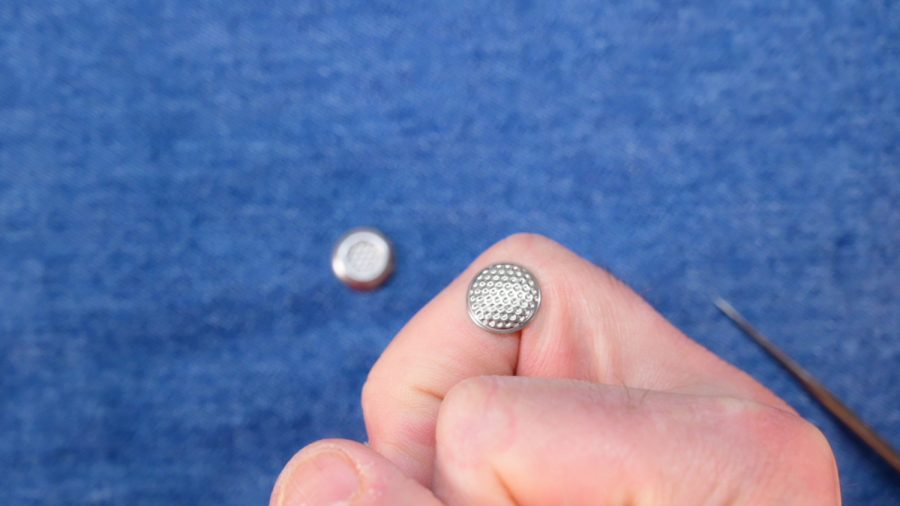
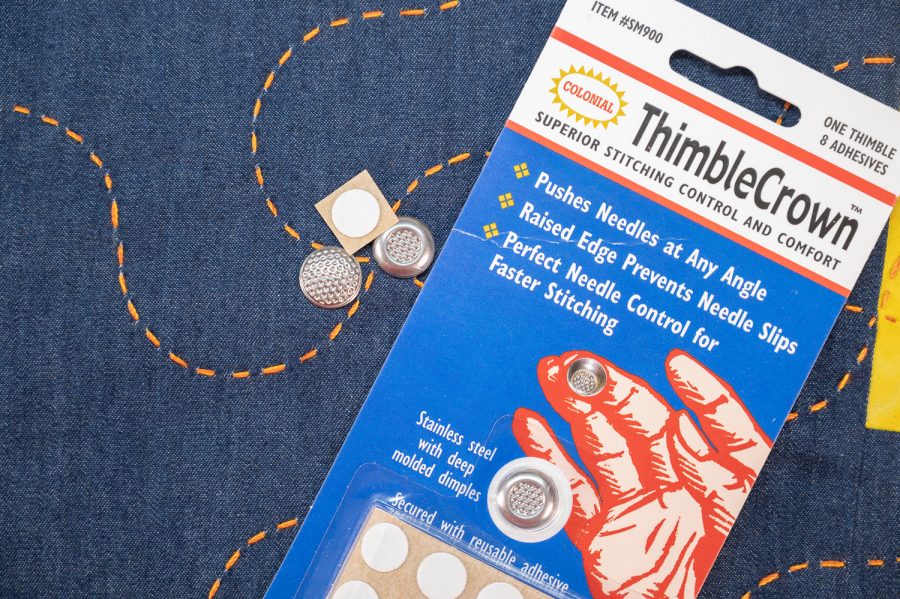
On the bustling Sew Expo show floor, they handed us packs of needles, various sewing tools, and what looked like tiny metal disks with dimples and sticky tabs. We’re all about toys for the sewing studio, but our first thought about those metal disks? “Okayyyy, not sure how this will play out, but let’s give it a whirl.”

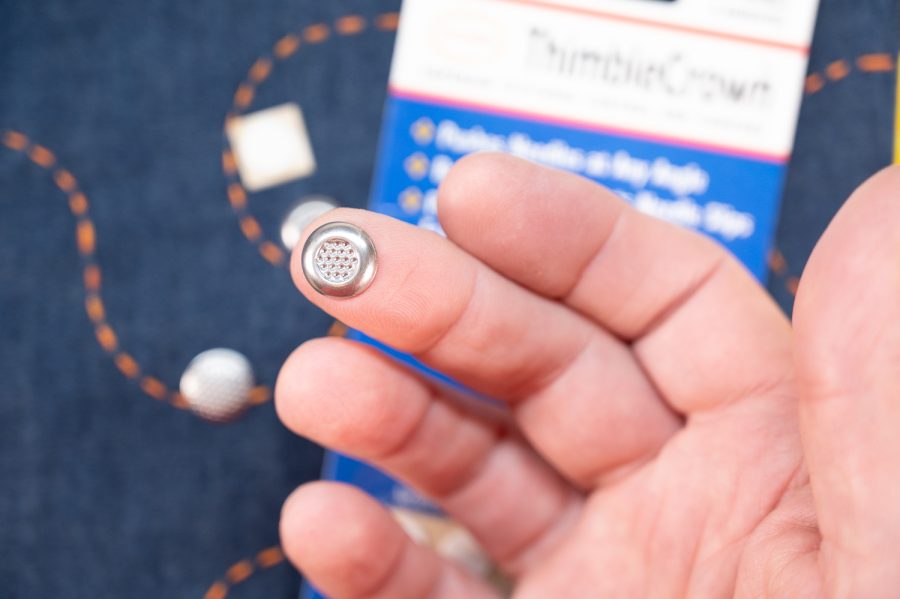
Fast forward to May, and Jason, with his big mitts (no offense, J!), was tearing up the house looking for a thimble for sewing a label onto a quilt. Most thimbles on the market aren’t built for his large fingers. Then, lightbulb moment—we remembered those Thimble Crowns from Colonial Needle. We pulled them out of the box, applied the sticky dot, slapped one on Jason’s finger, and off he stitched. It was anyone’s guess how it would turn out.

So, real talk. For a long time, we have joked about starting a blog titled “That’s the dumbest thing I’ve ever seen… and now I can’t live without it.” If that blog existed, the Thimble Crown would be a star. Seriously, what a game changer!

Fit like a glove—err, crown—boosted his nimbleness and let him crank out even finer stitches (and trust us, his stitches were already A+). It upped his needle game, gave him more comfort, and let him tweak its position to suit his sewing style.

Shannon quickly jumped on board using the dimpled crowns for embroidery, quilting, and general hand sewing as well as EPP. See, Shannon has nails, she will not sacrifice her manicure to a full covering thimble. These little wonders were the PERFECT solution for her manicured fingers because they stay in place without interfering with the nails. Also, she tends to stitch using the side of her finger to push the needle and this little Crown Thimble stayed securely in place even on the inside edge of her middle finger. You can imagine this was an amazing little tool for rocker stitch quilting. Yup… she’s sold on them now too. Completely.

Both of us tested the Thimble Crowns on our middle fingers, knuckles—heck, even our palms for lighter sashiko stitching. It’s ace for most of our hand stitching gigs: basic sewing, embroidery, quilting, mending, you name it. Honestly, not sure how we coped without one all these years.

Colonial Needle offers a range of these thimble tips for different sewing jobs. Check ’em out and give ’em a whirl. Next up for us? We’re trying the Under Thimble and Thimble Dimple for some hand quilting. We’ll keep you posted!

Stitch On!

Shannon & Jason

ROXANNE TO THE RESCUE AGAIN!!!

By Judy Moore Pullen

I am so eager to share with you one of my favorite NEW tools: Roxanne Temporary Adhesive Spray from Colonial Needle Company. It can be found on their website here, at major suppliers, and hopefully, quick as a bunny at your favorite quilt and fabric shops. There are so many wonderful uses and applications for this fabulous adhesive spray…so where to begin?!

What is Roxanne’s Temporary Adhesive Spray?

Roxanne is a well-known brand of quilting products, including glues, needles, and notions. The qualities of their Temporary Adhesive Spray are many. This spray adhesive is acid free, odorless and colorless meaning it will not stain fabric or fibers. For those of you with pricey or precious vintage sewing machines, it will not clog your machine or needles. As a tool, Roxanne’s spray assists in positioning and holding fabrics for quilting, sewing, and other fiber-related activities, yet it is temporary and disappears when washed. It is almost like another pair of hands assisting you to smoothly position and hold layers in place for the next step.

Roxanne Temporary Adhesive Spray will be loved and adored by quilters who are layering, seamstresses, home décor sewists, embroidery enthusiasts, applique and piecing passionists (that’s a word, right?), craft designers and artists, pattern piecing persons, and so many more! If you enjoy working and playing with fabric, fibers, threads, roving, yarn, etc., you will find that Roxanne’s newest product will fill your needs for fun and ease of use. The time saved with its use will allow you to spend more time playing and creating. As a firm believer in the importance of process, the doing part of a project for me is such an important part of the joy of creating; almost as important as showing off my finished product!

How do you use Roxanne’s Temporary Adhesive Spray?

For years, I have been safety pin-basting backing, batting, and tops together for hand or machine quilting. I do not have time on my hands, but my hands have many years of time on them, and basting a quilt this way is not one of my favorite things to do. My hands and fingers become sore. However, what a joy to layer a quilt now with Roxanne’s Temporary Adhesive Spray!

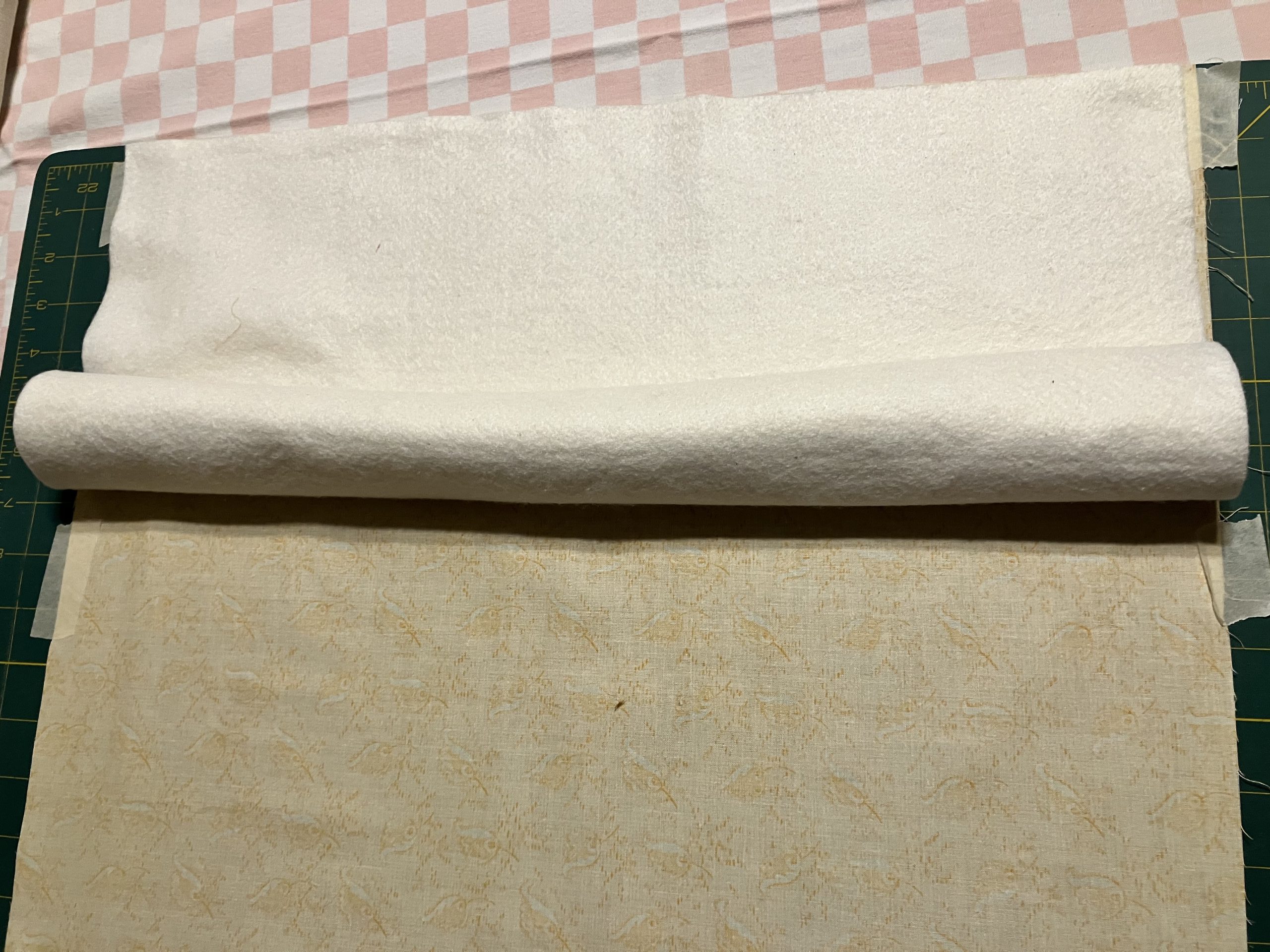
  1. Prepare by rolling the batting loosely from one end toward the other.
  2. Repeat with the quilt top, and lay both aside nearby.
  3. Secure the quilt backing layer to a clean flat surface, wrong side up, with masking tape.
  4. Lightly spray with Roxanne Spray.
  5. Position the batting at one end of the backing, and unroll the rest of the batting toward the other end, smoothing lightly with your hands as you unroll. Spray backing with Roxanne then unroll and layer batting
  6. Next, lightly spray the batting, then lay the quilt top at one end of the batting.
  7. Unroll the quilt top toward the bottom edge of the batting, smoothing and pressing lightly, flat as a tortilla, and smooth as an ice-skating rink!! Spray batting and unroll and smooth appliquéd top.
  8. Quickly and beautifully flat for hand or machine quilting!

All odor-free, easy-peasy and no sore fingers or hands!! After a few minutes to dry, I am confident that neither my machine nor hand quilting needle will get tacky while stitching.

TIP:
If you are generous with the spray and it winds up on your table or a surface, not to fret! A light spray with water and swipe with a clean dry cloth will remove the light tackiness.

What are some other benefits of using RX Adhesive Spray?

When machine or hand quilting, I sometimes get those undesired little pleats or tucks on the back side of my quilt whenever I approach a previous line of stitching. At times I need to manipulate the layers, or needle-down in my machine, lift presser foot, and give little tugs back and forth to remove bubbles on top, and hopefully prevent gathers on the backing. However, with Roxanne’s Temporary Adhesive Spray, I happily keep stitching when approaching quilting stitches, no bubbles on top and no ruffles on the back! My machine quilting has improved so much and in such a short period of time. Time saved basting layers together and quilting add up to the probability of getting more projects finished and more begun. Win~Win! More play time and improved finished product, means I am one happy quilter and excited about sharing what I have learned and experienced with this wonderful product from a name we know and trust to do what we love to do.

What else can you do with Roxanne’s Temporary Adhesive Spray?

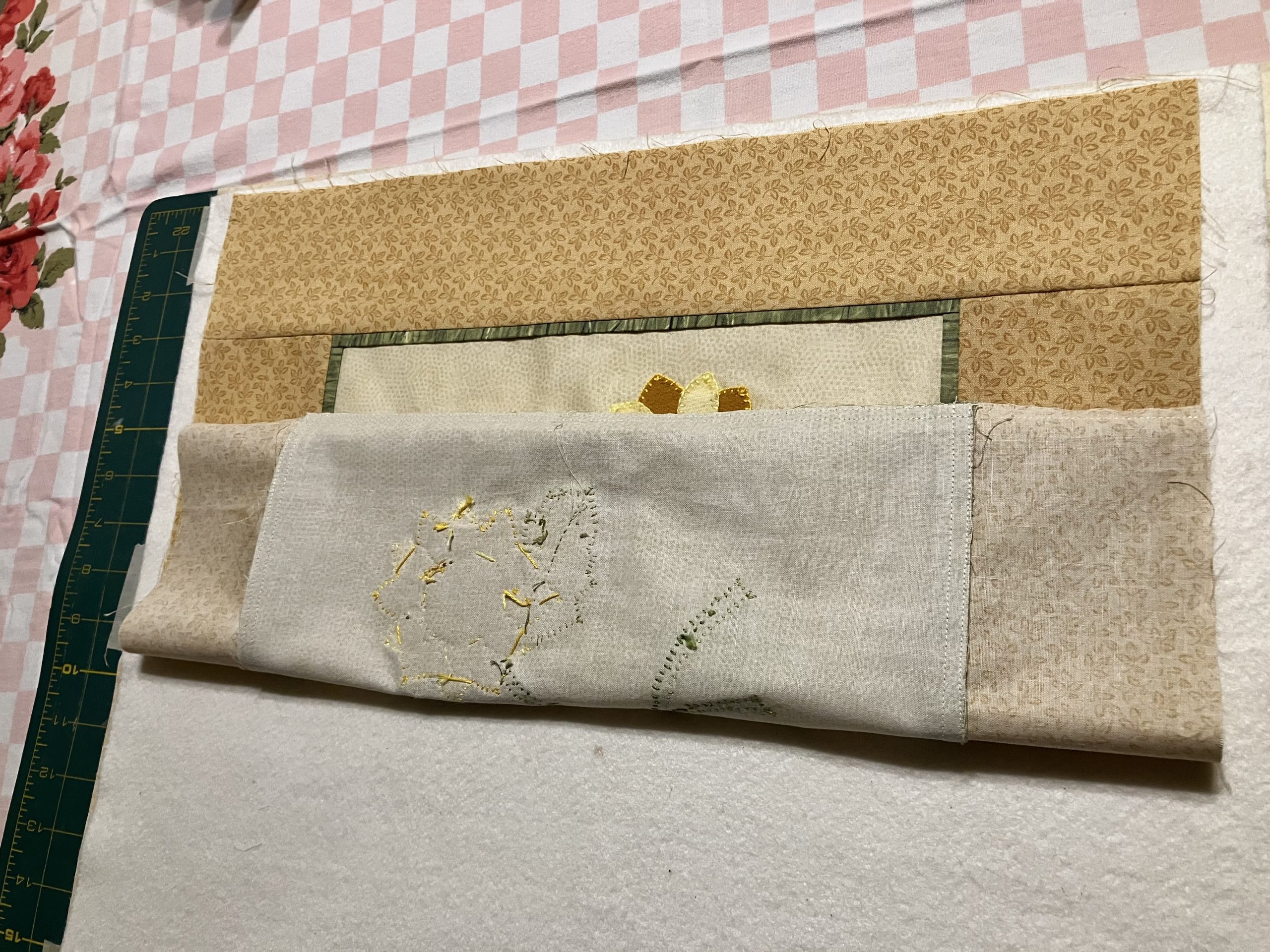
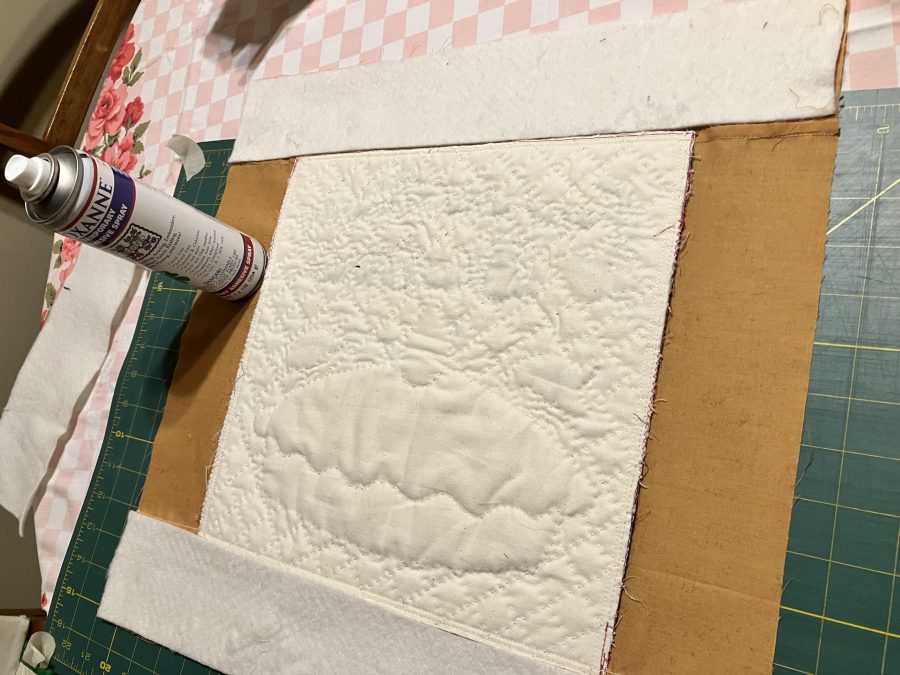
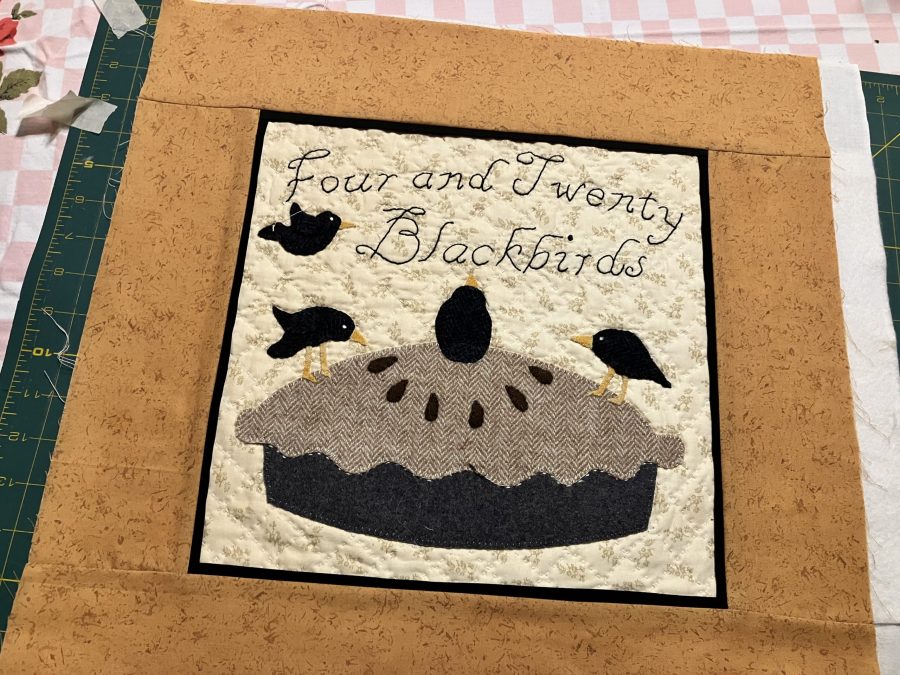
Here’s how Roxanne’ Spray helped me easily add borders to an old incomplete project:

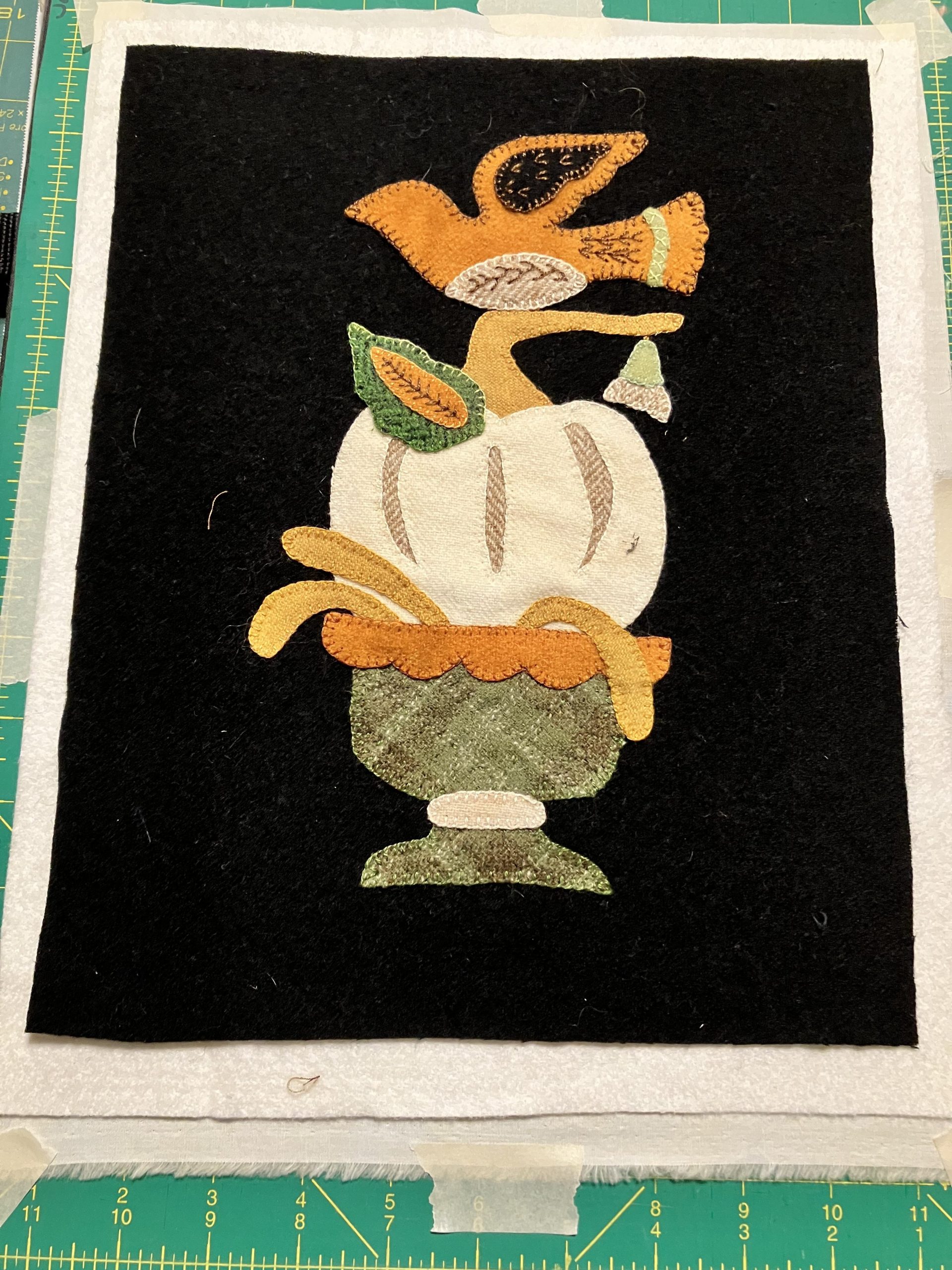
A wool applique enthusiast, I also discovered Roxanne’s Spray works beautifully to layer wool to batting for quilting.

Wool background layered with Roxanne Spray on batting

Another of my older needle turn applique projects needs help, so I plan to unstitch some of the applique on Sunbonnet Sue, spray lightly, reposition Sue’s dress and sunbonnet, and needle turn applique back in place.

In an upcoming blog, I want to share ways I have used Roxanne glues, needles, and notions. I guess you could say I am a fan of Roxanne products. Oh, wait, I happen to know where some vintage fan blocks are, and can hardly wait to applique them to backgrounds with Roxanne’s Spray. Then, I’ll turn them into a quilt, and move on to another fun project! Yes, I am very excited about this new product.

Go ahead, thank Roxanne for adding more playtime, fun, and pleasure to your fabric and fiber projects. You can thank me later.

Happily sew on and sew on…

Judy Moore Pullen